
Windows 11 Laptop with i3 Processor 15.6" Work Laptop for College Students
4.5Editor score
Intel Core i3 Processor
12GB RAM Memory
256GB SSD Storage
Engineering students require reliable computing power to handle demanding software like CAD, MATLAB, and simulation tools without constant slowdowns or crashes.
We evaluated ten top models based on processor speed, memory capacity, storage options, and display quality to ensure they meet rigorous academic and project needs.
Each pick highlights specific strengths and trade-offs so you can find the right balance between budget and performance while keeping in mind prices fluctuate often.
4.5Editor score

4.6Editor score

4.6Editor score
As an Amazon Associate we earn from qualifying purchases.
The following table provides a side-by-side look at the core specifications and features of each model to help you quickly identify the best fit for your workflow.




This model stands out as the top choice for engineering students due to its powerful 10-core processor and generous 24GB RAM which handle CAD and simulation software effortlessly.
We may earn a commission when you buy through this link, at no additional cost to you.
The 1TB NVMe SSD ensures fast boot times and quick file access for large project files while the anti-glare display reduces eye strain during long study sessions.
While it is heavier than some options the military-grade durability and comprehensive port selection including Ethernet and HDMI make it ideal for lab work and presentations.
Students needing reliable performance for complex calculations should prioritize this unit as it balances power with professional build quality and long-term reliability.
With 24GB of RAM you can run multiple engineering applications simultaneously without slowdowns ensuring smooth workflows during critical project deadlines.
MIL-STD-810H certification means this laptop can withstand the rigors of daily campus use making it a dependable companion for years of study.
We may earn a commission when you buy through this link, at no additional cost to you.
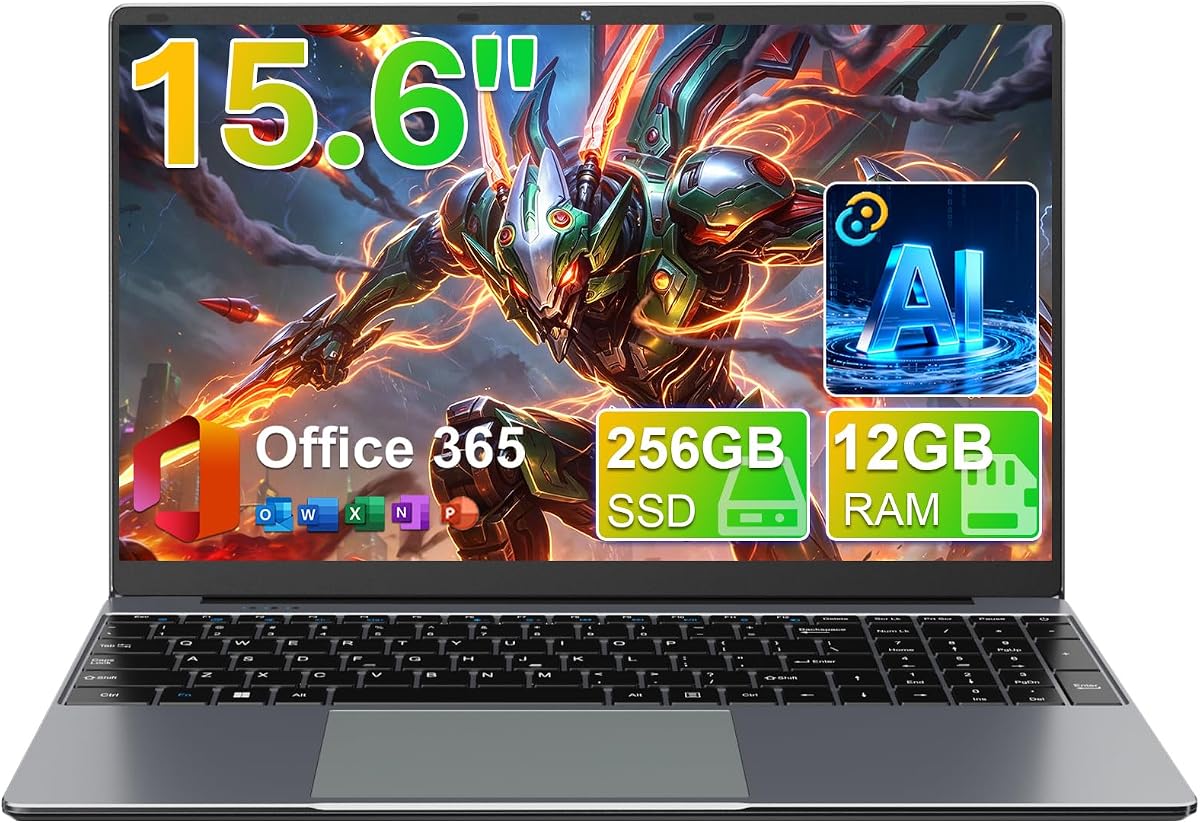
This laptop offers excellent value for students on a tight budget providing a full HD display and 12GB of RAM which are essential for everyday coursework and light programming.
We may earn a commission when you buy through this link, at no additional cost to you.
The Intel Core i3 processor handles basic tasks smoothly while the backlit keyboard ensures you can study comfortably in dimly lit environments like dorm rooms or libraries.
Though it may struggle with resource-intensive engineering simulations the 256GB SSD can be expanded via the TF card slot allowing flexibility for additional storage needs.
Budget-conscious students who prioritize portability and essential features will find this model a solid entry point into reliable computing without breaking the bank.
Packed with 12GB of RAM and a backlit keyboard this device delivers premium features at a budget-friendly price point for students.
The TF card slot supports expansion up to 2TB ensuring you have enough space for projects and media files as your studies progress.
We may earn a commission when you buy through this link, at no additional cost to you.
The expansive 17.3 inch Full HD IPS display provides ample workspace for spreadsheets and CAD drawings making it a premium choice for detailed engineering work.
We may earn a commission when you buy through this link, at no additional cost to you.
Powered by an AMD Ryzen 5 processor with 16GB of RAM this machine delivers smooth performance for multitasking and professional applications without lag.
While the larger screen adds weight the inclusion of Windows 11 Pro and fast charge technology ensures high security and minimal downtime during busy academic weeks.
Students who prioritize screen real estate and performance over portability will appreciate this laptop as a powerful workstation for intensive projects and research.
The 17.3 inch FHD display offers a wider canvas for engineering diagrams and data sets reducing the need for constant scrolling.
Windows 11 Pro includes enhanced security and management features suitable for handling sensitive project data or business simulations.
We may earn a commission when you buy through this link, at no additional cost to you.
This HP laptop combines portability with solid battery life offering up to 11 hours of power which is ideal for all-day classes without hunting for outlets.
We may earn a commission when you buy through this link, at no additional cost to you.
The Intel Processor N150 is efficient for daily tasks and the included one-year Office 365 subscription adds value for students needing productivity tools immediately.
Although storage is limited to 128GB UFS the fast connectivity options and WiFi 6 ensure smooth access to cloud storage and online resources for collaborative projects.
Students looking for a light notebook for note-taking and web-based coursework will find this model a reliable and efficient companion throughout their semester.
With up to 11 hours of battery life you can attend lectures and study sessions from morning to evening on a single charge.
The included Microsoft 365 subscription gives you access to Word and Excel right out of the box for immediate academic use.
We may earn a commission when you buy through this link, at no additional cost to you.
This model impresses with 16GB of RAM and over a terabyte of total storage including a docking station which is rare for budget devices targeting students.
We may earn a commission when you buy through this link, at no additional cost to you.
The Intel Celeron processor supports basic multitasking effectively while the large storage capacity ensures you can keep all your files locally without relying on cloud drives.
The display resolution is standard HD which may not be ideal for detailed graphics work but it serves well for general productivity and streaming media.
Students needing massive storage space for archival data or media projects will appreciate the included docking station and large capacity at this affordable price point.
The docking station adds a full terabyte of storage to the base unit giving you ample room for backups and large datasets.
16GB of RAM allows for running multiple browser tabs and applications simultaneously without significant system slowdowns.
We may earn a commission when you buy through this link, at no additional cost to you.
This Essential laptop is designed for everyday computing tasks offering a lightweight build and modern connectivity including USB Type-C and HDMI for versatile use.
We may earn a commission when you buy through this link, at no additional cost to you.
The Intel Processor N150 ensures responsiveness for web browsing and document editing while the long battery life supports extended study sessions away from a desk.
While the RAM capacity is modest the micro-edge display provides an immersive viewing experience which is helpful for reading research papers or watching lectures online.
Students who need a no-frills device for assignments and communication will find this model a dependable and portable choice for daily academic life.
With USB-C and HDMI ports you can easily connect to projectors or external monitors for presentations and group work.
Weighing only 3.24 lbs this laptop fits comfortably in a backpack making it easy to carry between classes.
We may earn a commission when you buy through this link, at no additional cost to you.
This laptop features a unique 180-degree hinge that allows for flexible screen positioning ideal for presentations or collaborative study sessions with classmates.
We may earn a commission when you buy through this link, at no additional cost to you.
The inclusion of an AI assistant and a full year of Office 365 adds significant value helping students streamline tasks and improve productivity with minimal effort.
The IPS display delivers vivid colors and wide viewing angles which are beneficial for multimedia consumption and detailed visual work compared to standard TN panels.
Students looking for a versatile device with unique physical features and software tools will appreciate this model for creative projects and group presentations.
The hinge opens flat to 180 degrees enabling you to share content easily with others without repositioning the device.
Built-in AI assistance helps with writing and research tasks saving time on routine academic assignments and content creation.
We may earn a commission when you buy through this link, at no additional cost to you.
This model integrates Copilot AI directly into the workflow providing intelligent assistance that can help summarize documents or draft emails for research projects.
We may earn a commission when you buy through this link, at no additional cost to you.
The UFS storage ensures quick access to files and apps while the compact 14-inch form factor makes it easy to carry around campus or coffee shops daily.
Although the RAM is limited the AI features compensate by optimizing system resources helping maintain responsiveness during typical academic workloads.
Students who want to leverage artificial intelligence for research and writing tasks will find this laptop a forward-thinking choice for modern learning environments.
Dedicated AI keys provide instant access to intelligent suggestions helping you draft content and manage emails efficiently.
UFS technology delivers faster file access compared to traditional drives ensuring smoother operation during daily tasks.
We may earn a commission when you buy through this link, at no additional cost to you.
Designed for both students and home users this laptop offers a balanced mix of portability and productivity features ideal for hybrid learning environments.
We may earn a commission when you buy through this link, at no additional cost to you.
The dual array microphones and noise reduction technology ensure clear communication during video calls making it suitable for remote classes and virtual meetings.
The micro-edge bezel design maximizes screen space within a compact frame providing a modern aesthetic that fits well in various study settings.
Students seeking a reliable device for daily assignments and communication will find this model a practical option for home and campus use alike.
Dual-array digital microphones and noise reduction ensure your voice is heard clearly during online lectures and group discussions.
The micro-edge bezels provide a larger screen ratio allowing for more focused content consumption without bezel distractions.
We may earn a commission when you buy through this link, at no additional cost to you.
This Dell laptop features an Intel Core i5 processor which provides a solid foundation for multitasking and moderate engineering applications compared to entry-level chips.
We may earn a commission when you buy through this link, at no additional cost to you.
The Full HD display combined with ComfortView software reduces blue light emissions protecting your eyes during long hours of screen time and research work.
Included onsite service ensures you receive support directly at your location which minimizes downtime if hardware issues arise during critical academic periods.
Students who value processor performance and reliable customer support will find this model a strong contender for balanced daily computing needs.
Dell ComfortView software reduces blue light emissions to help reduce eye strain during extended viewing sessions.
1 Year Onsite Service ensures you get professional help at your home or office reducing downtime if issues occur.
We may earn a commission when you buy through this link, at no additional cost to you.
Selecting the right laptop involves balancing performance needs with portability and budget constraints to ensure long-term academic success.
Engineering software often requires multi-core processors to handle calculations and simulations efficiently so look for Intel Core i5 or i7 or AMD Ryzen equivalents.
A powerful CPU ensures that your laptop remains responsive even when running multiple applications or demanding programs simultaneously.
At least 8GB of RAM is recommended for basic coursework but 16GB or more is ideal for heavy multitasking or running virtual machines.
Higher memory capacity prevents system slowdowns when you have many tabs open along with engineering tools running in the background.
Solid State Drives (SSD) offer significantly faster boot and load times compared to traditional hard drives so prioritize SSDs for the system drive.
A minimum of 256GB is advisable to store operating systems and programs while additional storage helps accommodate large project files and datasets.
A Full HD resolution display ensures that you can view complex diagrams and text clearly which is vital for reading technical documents and designs.
IPS panels provide better color accuracy and wider viewing angles making them more comfortable for extended periods of study compared to TN panels.
Students moving between classes and libraries often prefer laptops under 4 pounds to avoid back strain and improve overall comfort during travel.
Lightweight devices typically sacrifice some battery or port options so choose a size that fits your specific daily transportation needs.
Aim for a laptop that offers at least 8 hours of battery life to last through a full day of lectures without needing to search for a power outlet.
Quick charge technology is a valuable bonus that allows you to regain significant power in short breaks between classes.
Look for versatile ports including USB-C HDMI and Ethernet to ensure you can connect to projectors monitors or networking cables in labs.
Strong Wi-Fi 6 support ensures stable and fast internet connections essential for downloading large files or attending online meetings reliably.
Engineering students often carry laptops in crowded spaces so a durable chassis that resists wear and tear is essential for long-term reliability.
Features like military-grade testing or reinforced hinges provide extra peace of mind against accidental drops or daily handling stresses.
Always keep your laptop on hard flat surfaces to ensure proper airflow and prevent overheating which is common during intensive calculation tasks.
Install a high-quality cooling pad if you frequently run CPU-intensive simulations to maintain optimal performance and extend component life.
Regularly update your operating system and drivers to ensure compatibility with the latest engineering software and security patches.
While 8GB can handle basic tasks like word processing and web browsing it may struggle with heavy engineering software. For comfort and multitasking consider 16GB if your budget allows.
For basic engineering courses integrated graphics are usually sufficient. However if you plan on running advanced CAD or 3D modeling software a dedicated GPU will significantly improve performance.
A 14-inch laptop offers a good balance of portability and screen space. Larger 15 or 17-inch models provide more workspace but are heavier to carry daily.
MacBooks are excellent for general use but some engineering software requires Windows. Check your university's software requirements before purchasing a Mac to ensure compatibility.
Reduce screen brightness disable Bluetooth when not in use and close unnecessary background apps. Using power saver modes can also significantly extend battery duration.
Touch screens are useful for media consumption but not necessary for engineering. Focus on processing power and portability rather than touch features to save money.
Many modern laptops have soldered storage that cannot be upgraded. It is safer to choose a model with sufficient SSD capacity upfront to avoid future limitations.
Windows is the most widely supported operating system for engineering software. Linux is an option for some specialized tasks but may require extra configuration steps.
Choosing the right laptop depends on balancing your specific software needs with portability and budget constraints to ensure long-term academic success.
Prioritize processor performance and memory capacity to ensure your device remains responsive throughout your degree while keeping an eye on battery life for mobility.
Always check current prices and promotions before buying as costs fluctuate frequently and deals can help you save significantly on high-performance machines.