
Uniden Bearcat SR30C
4.0Editor score
500 channels capacity
Close Call RF capture
PC programmable design
Finding the right handheld scanner for monitoring frequencies can be challenging with so many options available today. Whether you are interested in public safety communications or hobbyist radio monitoring the right device ensures you stay informed.
We have evaluated ten top models based on features like channel capacity digital decoding capabilities and ease of use. This list covers a range of budgets from entry level analog units to advanced digital systems.
Each pick highlights specific strengths and weaknesses to help you make an informed decision for your monitoring setup. Please note that product availability and pricing can change so verify details before purchasing.
4.0Editor score

4.4Editor score

4.5Editor score
As an Amazon Associate we earn from qualifying purchases.
The following table provides a side by side comparison of all ten models including key specifications to help you quickly identify the best match for your monitoring requirements.
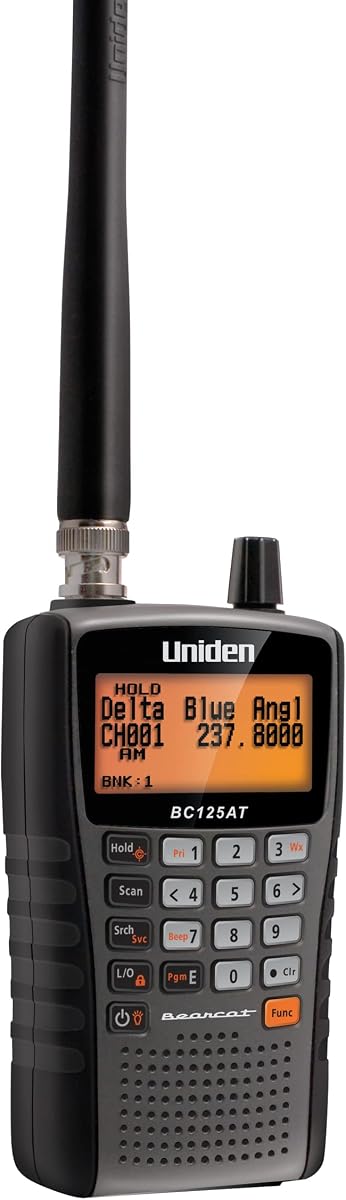
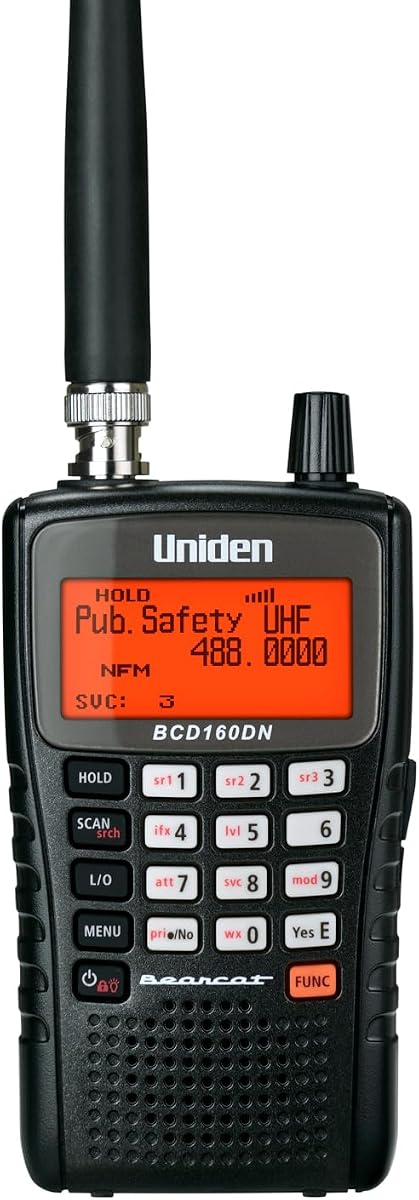


The Uniden Bearcat BC125AT is a highly rated analog scanner with a 4.0 rating. It offers 500 alpha-tagged channels in a compact design making it ideal for casual monitoring.
We may earn a commission when you buy through this link, at no additional cost to you.
Its Close Call RF capture technology instantly tunes to nearby signals which helps users discover active frequencies quickly. The orange backlight display ensures readability in low light conditions during night monitoring.
While it lacks digital trunking capabilities which limits its use in areas with modern public safety systems it remains a solid choice for analog bands. The pre-set search bands cover popular services like marine and aviation.
This scanner is best suited for beginners or hobbyists who do not need digital decoding. It provides a straightforward introduction to frequency monitoring without overwhelming complexity or high cost.
The 500 channels are divided into 10 storage banks allowing users to organize by department or location easily. Alpha tagging lets you assign names to channels for quick identification.
Ten separate search bands are preset for services like Police Fire Marine and Racing. This makes it easy to find channels that interest you right out of the box.
We may earn a commission when you buy through this link, at no additional cost to you.
The Uniden Bearcat BCD160DN sets a standard for digital performance with a 3.2 rating. It supports DMR and NXDN systems preloaded for immediate use and offers exclusive features like Band Scope.
We may earn a commission when you buy through this link, at no additional cost to you.
DCS/CTCSS rapid decode instantly displays sub-audible tones helping users determine system settings quickly. The narrow-band reception enhances signal detection for those elusive communications in busy frequency environments.
However it does not support trunking or APCO P25 systems which limits its versatility for public safety monitoring in larger cities. Users must rely on PC programming for advanced customization and database management.
This model is suitable for enthusiasts focused on digital land mobile radio systems without trunking. It provides a balance of digital capabilities and ease of use for specific monitoring needs.
The scanner comes preloaded with DMR and NXDN support so you can start using it immediately. This saves time on setup and configuration for digital enthusiasts.
Free software allows you to manage profiles favorites lists and firmware updates via your computer. This enhances control over your scanner configurations without needing complex manual input.
We may earn a commission when you buy through this link, at no additional cost to you.
The Uniden Bearcat SR30C is a very affordable scanner with a 4.0 rating offering 500 channels in a compact design. It features Close Call RF capture and turbo search for efficient signal detection.
We may earn a commission when you buy through this link, at no additional cost to you.
It covers over 32000 frequencies with preset service banks for Police Fire and Marine making it versatile for various uses. The PC programming capability allows users to customize settings via computer.
Like other analog models it cannot receive digital communications which may limit utility in cities with trunking systems. However the delay function prevents missed replies during two-way conversations improving listening experience.
Ideal for entry-level users this scanner provides excellent performance for analog bands. It is a practical choice for those monitoring aviation marine or racing frequencies without needing digital features.
Three power options include USB cable PC or smart phone charger and AA alkaline or rechargeable batteries. This ensures you can use it anywhere with different power sources.
Memory backup keeps frequencies stored in memory for an extended time if power is lost. This prevents the need to reprogram channels after a battery change.
We may earn a commission when you buy through this link, at no additional cost to you.
The Uniden SDS100 is a high-performance scanner with a 4.4 rating featuring a True I/Q receiver for improved digital signal recovery. It is designed for weak-signal and simulcast environments with rugged construction.
We may earn a commission when you buy through this link, at no additional cost to you.
Its customizable color display allows access to information you want to see with location-based scanning via zip code or GPS. The HomePatrol database includes all known radio systems in the US and Canada.
While powerful it comes at a higher price point and may have a steeper learning curve for beginners. The GPS compatibility enables automatic system selection when you travel across regions.
This scanner is best for serious enthusiasts or professionals requiring reliable digital trunking monitoring. It balances advanced features with usability making it a top choice for serious monitoring.
The I/Q receiver captures the complete signal waveform in three dimensions allowing for improved digital error correction. This significantly enhances performance in challenging RF environments.
The included database is updatable with Sentinel software and Uniden updates it weekly. This ensures you have access to the most current radio system information.
We may earn a commission when you buy through this link, at no additional cost to you.
The Whistler WS1040 offers P25 Phase I trunking support with a 4.1 rating. It features free form memory organization and menu-driven programming with context-sensitive help for easier setup.
We may earn a commission when you buy through this link, at no additional cost to you.
Scan list functionality allows you to arrange objects according to preference while Skywarn storm spotter features give instant access to network frequencies. Digital AGC compensates for low audio levels common on digital systems.
Installation issues may require troubleshooting with USB ports or rebooting your computer if detection fails. The lack of automated setup makes it more time-consuming than newer alternatives.
This scanner is suited for users needing reliable digital trunking without the complexity of newer GPS models. It offers robust features for a mid-range price suitable for experienced operators.
Free form memory organization allocates memory dynamically and efficiently as needed. This differs from older scanners with rigid and wasteful memory banks.
Each menu item provides a few lines of help text to assist with programming. This reduces the learning curve for users navigating complex settings.
We may earn a commission when you buy through this link, at no additional cost to you.
The Uniden BCD436HP combines ease of use with advanced features achieving a 4.2 rating. It requires no programming as users simply enter a zip code to start scanning nearby systems.
We may earn a commission when you buy through this link, at no additional cost to you.
Close Call RF capture and GPS connectivity enhance reception while the extra-large display shows detailed information. Instant replay plays back up to 240 seconds of recent transmissions for missed messages.
Custom alerts allow programming for channels or unit IDs with various tone patterns and colors. The lack of manual programming limits flexibility for those who want deep customization.
This model is perfect for enthusiasts who want professional features without complex setup. It balances advanced technology with user-friendly design for effective public safety monitoring.
Simply turn it on and enter your zip code to let TrunkTracker V handle the rest. This eliminates the need for manual database entry or complicated configuration.
You can select from nine different tone patterns and volume settings for custom alerts. This helps prioritize important signals like emergency alerts or channel hits.
We may earn a commission when you buy through this link, at no additional cost to you.
The SeeSii TinySA Ultra+ is a spectrum analyzer with a 4.5 rating covering 100kHz to 5.4GHz. It features a 4-inch touchscreen and 32GB card for data storage and sharing.
We may earn a commission when you buy through this link, at no additional cost to you.
As a 2-in-1 signal generator it supports sine and square wave outputs for testing and verification. Its phase noise performance ensures accurate analysis of signal stability and purity.
PC control via USB allows direct data transfer to a computer for deeper analysis. The built-in LNA provides extra gain for low-level signals improving reception sensitivity.
Ideal for RF engineers and advanced hobbyists this device offers professional-grade analysis in a portable form. It is a powerful tool for troubleshooting and monitoring complex signal environments.
The upgraded version covers up to 5.4GHz allowing measurement of diverse RF signals across multiple bands. This wide range handles complex testing scenarios effectively.
Data can be directly recorded to the built-in 32GB micro SD card for convenient storage. This facilitates easy sharing and review of measurement results in the field.
We may earn a commission when you buy through this link, at no additional cost to you.
The AURSINC Tinysa Ultra+ covers up to 7.3GHz with a 4.4 rating. It features an IPS-TFT LCD display and up to 450 scan points per sweep for clear RF data visualization.
We may earn a commission when you buy through this link, at no additional cost to you.
The built-in LNA provides up to 20dB gain improving weak signal reception during analysis. Low phase noise delivers superior signal purity enabling accurate evaluation of system performance.
It offers a long-lasting 5000mAh battery for extended outdoor testing and continuous measurement. PC support allows easy saving and transfer of measurement data for review later.
This analyzer is best for users needing advanced spectrum analysis up to 7.3GHz. It combines portability with precision making it a strong choice for complex electronic troubleshooting.
Low phase noise ensures superior signal purity for accurate analysis of frequency stability. This is critical for high-precision RF measurement tasks.
A built-in 32GB MicroSD card allows easy saving and transfer of measurement data. This supports seamless workflow between lab and field testing environments.
We may earn a commission when you buy through this link, at no additional cost to you.
The Portable Tinysa Analyzer offers a 4.5 rating covering 100kHz to 960MHz in a compact design. It includes ESD protection to improve stability and longevity for field use.
We may earn a commission when you buy through this link, at no additional cost to you.
It acts as both a spectrum analyzer and signal generator with sine and square wave outputs. PC control via USB allows data transfer and internal setting updates easily.
The 2.8-inch touchscreen provides color display for scan points covering the frequency range. While the range is narrower than Ultra models it is sufficient for many VHF UHF tasks.
This model is ideal for beginners or those needing a portable analyzer for basic tasks. It balances cost and functionality making it an accessible entry into spectrum analysis.
ESD protection with a diode improves stability sensitivity and anti-static level. This ensures longevity when using the device in various field conditions.
When not used as an analyzer it functions as a signal generator for testing. This dual purpose adds value for troubleshooting and calibration tasks.
We may earn a commission when you buy through this link, at no additional cost to you.
The AURSINC TinySA Ultra+ features the latest HW V0.4.6 with a 4.5 rating covering 100kHz to 5.4GHz. It includes a 32GB micro SD card for on-site data storage and sharing.
We may earn a commission when you buy through this link, at no additional cost to you.
Adjustable resolution bandwidth from 200Hz to 850kHz enables fast and accurate measurements with gapless coverage. Excellent phase noise performance supports SSB testing and precise signal separation.
The integrated LNA offers 20dB extra gain for low-level signals effective below 3.5GHz. PC connectivity via USB enables data transfer and device control through the TinySA-APP.
This analyzer is perfect for users needing high-precision measurements with modern hardware upgrades. It offers a robust feature set for professionals and advanced hobbyists alike.
Switchable RBW allows fine-tuning between 200Hz and 850kHz for fast or accurate measurements. This flexibility supports testing different signal types effectively.
DANL as low as -166dBm/Hz ensures accurate detection of weak signals. This performance is critical for demanding measurement tasks.
We may earn a commission when you buy through this link, at no additional cost to you.
Choosing the right scanner involves evaluating several factors to ensure it meets your monitoring needs and budget constraints.
Determine if you need analog or digital reception based on your local agencies. Many cities have switched to digital trunking systems which require specific scanner models to decode.
Always check if the scanner supports the specific digital formats used in your area before purchasing to ensure useful monitoring.
Channel capacity determines how many frequencies you can store and organize for quick access. Higher numbers allow more detailed monitoring setups across multiple services.
Select a model with enough memory to store all your preferred channels without needing constant reprogramming during use.
User-friendly interfaces and programmable features can save time when setting up complex monitoring tasks. Some models offer GPS based scanning to simplify frequency selection automatically.
Look for devices that balance functionality with intuitive controls to reduce setup frustration during operation.
Lightweight designs with durable materials ensure the scanner survives field use and transport. Weather resistant builds are important for outdoor monitoring in various conditions.
Choose a model that fits comfortably in your hand and carries easily to your desired listening locations.
PC programming software allows detailed customization that might be tedious on the device screen. This is valuable for frequent updates and managing large channel databases efficiently.
Confirm that compatible software is available for your computer system to ensure smooth configuration workflows.
Battery options like rechargeable cells or USB power impact long session utility in the field. Models with built-in chargers add convenience for continuous monitoring without frequent battery changes.
Prioritize models that support your power source availability to avoid interruptions during critical listening periods.
Features like Close Call RF capture or instant replay enhance signal discovery and review capabilities. Some scanners include weather alerts or storm spotter functions for emergency monitoring.
Evaluate if these extras justify the additional cost based on your specific monitoring interests and requirements.
Prices vary significantly from affordable entry-level units to premium digital scanners with advanced features. Determine your maximum budget to narrow down options that offer the best value.
Invest in a model that aligns with your needs without overspending on unnecessary capabilities you will not use.
Begin by reading the manual to understand the basic controls and menu navigation. Charge the battery fully before first use to ensure optimal performance during initial setup sessions.
Use PC software to load and organize channel lists if available for easier management. Select relevant frequency bands based on your location to avoid irrelevant noise during scans.
Keep the device in a cool dry place to protect internal components from damage. Clean the exterior regularly with a soft cloth to maintain display clarity and keypad responsiveness.
Yes you can listen to police radio if your area uses analog or supported digital systems. However many regions have switched to encrypted trunking systems which require advanced decoders. Always check local transmission types before purchasing to ensure accessibility.
While some models allow manual programming via keypad computer software makes the process faster. It helps organize large channel lists and manage settings efficiently. Some newer units require minimal programming using zip codes only.
Analog scanners receive traditional frequency modulation signals while digital decoders process data streams. Digital systems offer clearer audio and more efficient spectrum use. If your local public safety uses digital you must choose a compatible scanner.
Update databases regularly to reflect new frequencies or system changes in your area. Some scanners connect to the internet for automatic updates while others require manual downloads. Consistent updates ensure you do not miss active signals.
Monitoring public frequencies is generally legal but laws vary by region and service type. Avoid using decrypted communications for personal gain as that may be illegal. Always respect privacy and legal restrictions regarding sensitive channels.
Useful accessories include spare batteries antennas and carrying cases for protection. An external antenna can improve reception range especially in weak signal areas. Carrying cases protect the device during transport to remote locations.
This guide compared ten top models ranging from entry-level analog units to advanced digital analyzers. The Uniden SDS100 stands out for digital performance while the SR30C offers great value for beginners.
Prioritize features like digital capability and channel capacity based on your specific monitoring goals and budget. Ensure the device supports the frequencies relevant to your local area for practical utility.
Prices and availability change frequently so verify current details before making a purchase decision. Choose the model that best balances features cost and ease of use for your needs.