
Intel Core Ultra 9 Processor 285K
4.6Editor score
24 cores hybrid architecture
Up to 5.7 GHz speed
Efficient performance per watt
Explore our expert guide comparing the top 10 CPUs for Workstations in October 2026 to find the perfect processor for your professional computing needs.
Choosing the right CPU for a workstation is critical for professionals who demand reliability and raw power. Whether you are rendering 3D models, editing 8K video, or running complex simulations, the processor you select defines your productivity and workflow efficiency in modern computing environments.
We have meticulously compared ten top-rated processors based on core counts, clock speeds, cache sizes, and architectural efficiency. Our analysis covers both Intel and AMD offerings, ensuring you see a balanced view of what is available for high-performance desktop builds in the current market landscape.
Each pick highlights specific strengths like multi-threaded rendering or single-core responsiveness for creative tasks. Please note that prices fluctuate frequently due to market demand and supply chains, so always verify current costs before making your final purchasing decision for your specific system build requirements.
4.6Editor score

4.8Editor score

4.1Editor score
This side-by-side comparison outlines the key specifications and strengths of each processor to help you identify the best fit for your specific workstation workload and budget constraints today.


The AMD Ryzen Threadripper PRO 5955WX stands out as a top contender for professionals needing balanced power. It holds a 4.8 rating and delivers consistent performance for demanding tasks like video editing and CAD workloads efficiently.
We may earn a commission when you buy through this link, at no additional cost to you.
Its 16 cores and 32 threads provide ample headroom for multitasking while maintaining stability. The built-in data protection features ensure your work is secure during long rendering sessions without interruptions or data loss risks.
While it requires a specific TRX40 motherboard and is pricier than consumer parts, the investment pays off in reliability. The efficient power management helps keep system temperatures manageable even under sustained heavy loads.
This processor is ideal for engineering firms or studios where uptime is critical. We recommend it for users who need professional-grade security and manageability alongside raw processing speed for complex projects.
Built-in data protection ensures sensitive project files remain secure during processing workflows.
16 cores balance parallel processing with single-threaded speed for versatile workload handling.
We may earn a commission when you buy through this link, at no additional cost to you.
The AMD Ryzen Threadripper PRO 3975WX offers massive power for those who need to render heavy 3D scenes. With a 4.1 rating, it proves its worth in professional environments where time is money and output quality matters most.
We may earn a commission when you buy through this link, at no additional cost to you.
Its 32 cores and 64 threads allow for incredible parallel processing capabilities. The eight-channel DDR4 memory and 128 PCIe lanes provide the bandwidth needed for high-end GPUs and storage arrays simultaneously without bottlenecks.
However, the 280W TDP means you need robust cooling solutions since the cooler is not included. This thermal demand is acceptable for workstations designed for continuous operation rather than casual home use scenarios.
Choose this if you need the most I/O lanes and memory bandwidth available on a desktop. It is perfect for architects and visual effects artists who run multiple high-demand applications at once daily.
128 PCIe lanes support multiple GPUs and storage devices without bandwidth limitations.
Designed for reliable operation over long periods in professional studio environments.
We may earn a commission when you buy through this link, at no additional cost to you.
The AMD RYZEN 7 9800X3D combines gaming speed with workstation versatility thanks to Zen5 technology. Rated at 4.8, it delivers significant IPC uplifts that benefit creative apps requiring strong single-core performance daily.
We may earn a commission when you buy through this link, at no additional cost to you.
With 96MB of L3 cache, it excels at tasks that rely on quick data access like simulation and CAD. The high boost clock of 5.2GHz ensures responsive interaction even when managing complex datasets or heavy software environments.
While it lacks the core count for massive rendering farms, its efficiency makes it a great secondary machine or hybrid rig. The AM5 socket ensures you can upgrade to newer CPUs later without changing your motherboard platform.
This is best for professionals who also game or need quick response times over raw multi-core throughput. It bridges the gap between consumer gaming PCs and professional workstations effectively for modern tasks.
New architecture delivers higher Instructions Per Clock for faster application responsiveness.
AM5 platform support ensures longevity for future processor upgrades.
We may earn a commission when you buy through this link, at no additional cost to you.
The AMD Ryzen Threadripper 9960X represents the latest 9000 Series for desktop workstations with a perfect rating. It is designed to handle complex multi-threaded workflows that require significant processing power and stability.
We may earn a commission when you buy through this link, at no additional cost to you.
As part of the 9000 lineup, it brings modern architectural improvements that enhance efficiency. The high core count allows for running virtual machines and render tasks simultaneously without slowing down primary applications.
While specific cooling is needed due to heat output, the performance gains justify the extra setup effort for professionals. This chip fits well in setups where total throughput matters more than single thread speed alone.
Consider this for studios or engineering desks that need consistent power over long periods. It delivers the scalability needed to handle growing project demands without requiring frequent hardware swaps.
New 9000 Series architecture provides improved power efficiency and performance per watt.
High thread count ensures smooth multitasking for complex professional applications.
We may earn a commission when you buy through this link, at no additional cost to you.
The Intel Core Ultra 9 Processor 285K offers a balanced hybrid architecture for workstations needing both speed and efficiency. With a 4.6 rating, it delivers strong performance for mixed workloads like coding and design tasks.
We may earn a commission when you buy through this link, at no additional cost to you.
Its 24 cores split into P-cores and E-cores optimize task distribution effectively. The up to 5.7 GHz speed ensures rapid responsiveness for applications that rely on single-thread performance primarily.
You will need to provide your own thermal solution as none is included with the package. This is common for high-end desktop chips but requires careful case airflow planning to maintain stability.
This processor is excellent for those who want flagship power without the extreme cost of server parts. It serves well for content creators who need a balance of rendering speed and daily app responsiveness.
Performance and Efficiency cores optimize workload distribution for better power use.
High boost clocks ensure smooth interaction during complex software usage.
We may earn a commission when you buy through this link, at no additional cost to you.
The AMD Ryzen 5 9600X provides an accessible entry point into the AM5 ecosystem for lighter workstation tasks. Rated 4.8, it offers excellent efficiency and speed for small teams or individual freelancers.
We may earn a commission when you buy through this link, at no additional cost to you.
With 6 cores and 12 threads, it handles standard editing and coding tasks well. The high max boost of 5.4 GHz and DDR5 support mean it keeps up with modern application requirements effectively.
It is unlocked for overclocking which adds flexibility for enthusiasts looking to squeeze out extra performance. However, it lacks the core count for heavy rendering so it fits light professional use best.
Choose this if you are building a budget workstation that can grow with better GPUs later. It offers a solid foundation for daily productivity without breaking the bank on initial hardware.
Unlocked multiplier allows for overclocking to tune performance for specific needs.
Support for DDR5 memory ensures compatibility with high speed system architectures.
We may earn a commission when you buy through this link, at no additional cost to you.
The AMD Ryzen 7 7800X3D is known for its massive cache which benefits simulation and design tasks. It holds a 4.8 rating and provides dependable execution for workflows that benefit from large data sets.
We may earn a commission when you buy through this link, at no additional cost to you.
Its 96 MB L3 cache memory offers excellent hit rates for faster access to frequently used data. The 5 nm process technology ensures reliable performance and productivity with efficient heat generation overall.
While the clock speed is moderate at 4.20 GHz, the throughput is optimized for specific high-load scenarios. This makes it a stable choice for professional use where consistency matters more than peak frequency.
Ideal for designers who need reliable multitasking without thermal throttling. It serves well in environments where stability over long renders or simulations is a key priority for daily output.
96 MB L3 cache enables faster data retrieval for complex simulation tasks.
5 nm technology keeps heat output manageable for better long term performance.
We may earn a commission when you buy through this link, at no additional cost to you.
The Intel Core i9-14900K delivers top-tier clock speeds that benefit single-thread heavy workstation apps. With a 4.2 rating, it is a robust choice for tasks requiring rapid responsiveness and high frame rates.
We may earn a commission when you buy through this link, at no additional cost to you.
Its 24 cores and 32 threads provide substantial power for multitasking. The support for both DDR4 and DDR5 allows flexibility in choosing memory speed based on your system budget needs.
The 6.0 GHz leading max clock speed is a major draw for performance enthusiasts. However this power draw is high so ensure your power supply and cooling are robust enough to handle it.
Select this if you need the highest raw speed for gaming and work combined. It is a strong all-rounder for power users who want a single machine for professional and personal demands.
6.0 GHz boost ensures smooth playback and rapid application response.
DDR4 and DDR5 support offers upgrade flexibility for existing systems.
We may earn a commission when you buy through this link, at no additional cost to you.
The AMD Ryzen Threadripper PRO 9955WX is designed for studios needing battle-tested performance. With a 4.0 rating, it enables artists and engineers to get more done in less time reliably.
We may earn a commission when you buy through this link, at no additional cost to you.
As part of the 9000 WX-Series, it focuses on stable operation for long professional sessions. The Shimada Peak design offers a balanced approach to core count and power efficiency for daily workflows.
While it requires a specific workstation motherboard the reliability benefits are clear. It is built to handle the rigors of creative work without the interruptions common in consumer grade hardware.
This is a solid choice for scaling up from a standard workstation to a studio node. It delivers the power needed for complex rendering and modeling while maintaining system stability.
Designed to withstand long hours of intensive professional creative work.
16-core configuration allows room for workflow growth over time.
We may earn a commission when you buy through this link, at no additional cost to you.
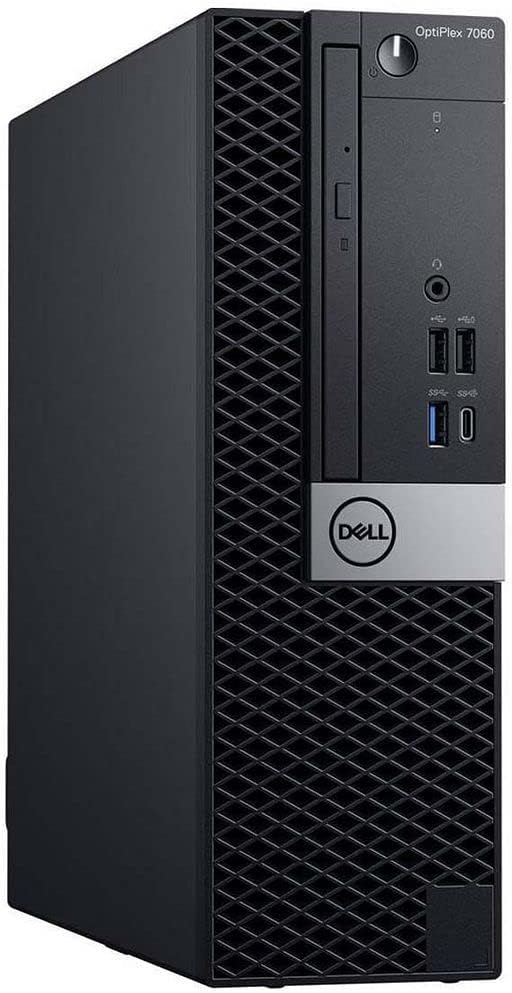
The DELL Optiplex 7060 SFF offers a complete desktop solution for office workstations. Rated 4.0, it provides a ready-to-use system with Windows 11 Pro and a robust 32GB of RAM.
We may earn a commission when you buy through this link, at no additional cost to you.
Its Intel 8th Gen i7-8700 processor ensures efficient multitasking for standard business apps. The 512GB NVMe SSD supports faster boot speeds and higher data transfer rates for daily files.
While the chip is older, the complete package saves time and effort for immediate deployment. It fits well in office environments where space is limited and basic reliability is key.
Choose this if you need a quick deployment for business computing without building from scratch. It offers a stable foundation for general productivity tasks in professional settings.
Complete package with Windows 11 Pro and 32GB RAM saves setup time.
Small form factor fits easily into limited desk or office spaces.
We may earn a commission when you buy through this link, at no additional cost to you.
Selecting the right workstation CPU requires understanding your specific workload needs and balancing performance with budget constraints.
Core count determines how many tasks your processor can handle simultaneously. For heavy rendering or virtualization look for 16 cores or more while 6 to 8 cores suffice for standard office use.
Higher thread counts allow better multitasking but require strong cooling to maintain performance.
Memory bandwidth affects how quickly your CPU can access data in RAM. Workstation CPUs often support quad or octa-channel memory which is essential for large dataset processing.
Ensure your motherboard supports the memory channel configuration of your chosen processor for best results.
PCIe lanes determine how many high-speed devices you can connect. Professional workstations need ample lanes for multiple GPUs and NVMe storage arrays.
Consumer CPUs often have fewer lanes so check compatibility if you plan multiple high-speed peripherals.
TDP indicates how much heat your CPU generates under load. Higher TDP models require robust cooling systems to avoid thermal throttling during long tasks.
Choose a cooler that matches or exceeds the TDP requirements for stable performance.
Workstation CPUs often need specific motherboard chipsets. Ensure your case and power supply support the board required for your processor selection.
Check socket types like AM5 or TRX40 before purchasing to avoid compatibility issues with existing hardware.
Professional processors include features like ECC memory support and remote management. These are crucial for data integrity and IT management in business environments.
Evaluate if these enterprise features are necessary for your workflow before paying extra.
Choose a platform that supports future upgrades to extend the life of your system. AM5 and similar long-term sockets allow CPU swaps without changing the board.
Consider how long you plan to keep the system before buying new parts.
Factor in the cost of the cooler and motherboard when calculating total price. Some processors do not include cooling solutions which adds to your budget.
Compare the whole system cost rather than just the processor price for accurate budgeting.
Ensure proper thermal paste application and mount the cooler tightly to prevent overheating. Follow manufacturer instructions for the specific socket to avoid damaging pins during installation.
Keep your system clean from dust using compressed air regularly to maintain airflow. Dust buildup can block fans and increase temperatures reducing overall efficiency.
Update your BIOS to the latest version for optimal performance and security patches. Manufacturers release updates that improve compatibility and stability for new applications.
Workstation CPUs offer more cores and PCIe lanes along with enterprise features like ECC memory support. They are designed for reliability and long hours of heavy load while desktop CPUs focus on single core speed.
Yes most workstation CPUs require specific chipsets like TRX40 or specialized AM5 boards. Consumer motherboards may not support the memory channels or power delivery needed for these chips.
ECC memory is crucial for data integrity in scientific or financial workloads. For creative tasks like video editing it is often optional but recommended for peace of mind.
For 4K editing 8 cores is a good starting point while 16 cores or more helps with complex effects. Multi-threaded software benefits significantly from higher core counts.
Yes but they are optimized for productivity over gaming. High clock speed chips are better for gaming but workstation chips can handle games alongside professional work.
Most do not include coolers due to high thermal output. You will need to buy a compatible high performance tower or liquid cooler separately for safe operation.
AM5 is designed for long term support with multiple future CPU generations. Older workstation sockets may have a shorter upgrade cycle so check vendor roadmaps.
Virtualization needs high core counts and support for virtualization features in BIOS. Look for CPUs with strong multi-thread scaling to run multiple virtual machines smoothly.
We have highlighted ten top picks ranging from the AMD Ryzen Threadripper PRO 5955WX to the Intel Core Ultra 9 Processor 285K. Each offers unique strengths for different professional workflows.
Prioritize core count and PCIe lanes if you run heavy rendering or virtualization tasks. For mixed use the balance found in the AMD 9800X3D or Intel 285K works best.
Remember to check current prices and availability before purchasing as they fluctuate often. Always ensure your cooling and power supply match the TDP requirements for a stable setup.