
32GB 9-in-1 Linux Bootable USB Drive for Beginners
4.2Editor score
Nine preloaded distributions
Ideal for beginners
Printed user guide
This guide compares the top ten bootable Linux USB drives for 2026, evaluating performance, compatibility, ease of use, and pre-installed distributions for all
Finding a reliable bootable Linux USB drive can simplify system testing, data recovery, and secure browsing without modifying your main hard drive. These devices come preloaded with popular distributions like Ubuntu, Linux Mint, and Kali, ready to run immediately upon connection to compatible hardware.
We evaluated ten highly rated options based on distribution variety, hardware compatibility, boot speed, and user-friendly documentation. Our analysis focuses on models that support both Legacy BIOS and UEFI systems while ensuring secure boot adjustments are clearly explained for hassle-free setup.
Each selection highlights specific strengths, whether you need a multi-distro toolkit for professionals or a streamlined experience for beginners. Prices may vary over time, so always check current listings before purchasing to ensure you get the best value for your specific computing needs.
4.2Editor score

4.6Editor score

4.1Editor score
The following table provides a side-by-side overview of all ten selected drives, highlighting their primary distributions, storage capacity, boot compatibility, and unique features to help you compare quickly.



This 64GB bootable Linux USB drive offers an impressive selection of sixteen preloaded operating systems, making it ideal for users who need versatility. It includes popular choices like Ubuntu, Kali, and Windows 11, catering to both Linux enthusiasts and general users needing recovery tools.
We may earn a commission when you buy through this link, at no additional cost to you.
The USB 3.2 interface ensures fast boot times and smooth performance when running live sessions. Detailed documentation includes video instructions and hotkey lists for various manufacturers, significantly reducing the learning curve for beginners setting up their first bootable drive.
While the drive is packed with features, the sheer number of ISOs might require managing storage carefully if you plan to add more. Some systems may require disabling secure boot to recognize the drive, a common step for UEFI systems.
Overall, this drive is perfect for IT professionals, students, or anyone needing a reliable portable toolkit. Its balance of speed, compatibility, and variety makes it a top recommendation for a comprehensive bootable solution.
The inclusion of sixteen different systems allows users to test software, repair files, or browse securely without committing to a single OS install.
Video boot instructions and hotkey lists provide practical support that bridges the gap between technical requirements and real-world hardware setup.
We may earn a commission when you buy through this link, at no additional cost to you.
Designed specifically for beginners, this 32GB bootable Linux USB drive simplifies the transition from Windows to open-source operating systems. It features nine carefully selected distributions like Linux Mint and Ubuntu, each pre-installed with essential productivity and multimedia tools.
We may earn a commission when you buy through this link, at no additional cost to you.
The printed user guide provides clear steps for booting and installing, reducing confusion for first-time users. Most distros included are tailored to be lightweight and easy to navigate, ensuring a smooth experience on both new and older hardware.
While the storage is limited to 32GB, it is sufficient for the provided distributions. The lack of Windows options might be a drawback for users who need immediate access to proprietary software, but Linux alternatives are robust for general tasks.
This drive is an excellent starting point for anyone curious about Linux. It removes the technical barriers typically associated with creating bootable media, making it a practical choice for home users and students.
Distros are chosen for their ease of use and pre-installed office suites, ensuring users can perform daily tasks immediately after booting.
Support for Legacy BIOS and UEFI systems ensures this drive works on a wide range of laptops and desktops without complex BIOS configuration.
We may earn a commission when you buy through this link, at no additional cost to you.
This drive focuses on delivering a polished experience with Linux Mint 22.3, known for its user-friendly interface and stability. It is ideal for users who prefer a single, reliable system over a toolbox of multiple operating systems for daily tasks or testing.
We may earn a commission when you buy through this link, at no additional cost to you.
Mint comes fully equipped with LibreOffice, media players, and graphical design tools like GIMP and Blender. This preloaded software suite allows users to work on documents or create content without needing to download additional packages immediately.
While it lacks the variety of multi-distro drives, its stability is a major advantage. The polished experience minimizes bugs and compatibility issues, making it perfect for those transitioning from Windows who need a familiar desktop environment.
For home users seeking a straightforward alternative to Windows without technical complexity, this drive stands out. It provides a seamless transition path with all essential tools ready to use out of the box.
Built-in access to office suites and creative tools ensures users can handle work and entertainment needs without extra setup or downloads.
Linux Mint is renowned for its rock-solid reliability, ensuring that booting and running applications proceeds smoothly without unexpected interruptions.
We may earn a commission when you buy through this link, at no additional cost to you.
Debian is renowned for its rock-solid stability and security, making this bootable drive a top choice for developers and IT professionals. The latest version ensures you are running a trusted and up-to-date system that prioritizes privacy and freedom over convenience.
We may earn a commission when you buy through this link, at no additional cost to you.
Without bloatware or tracking, this system offers a clean slate that can be customized to your exact needs. It is particularly useful for server testing or environments where security is paramount and every installed package must be justified.
The main trade-off is that Debian can be more technical to manage compared to user-friendly derivatives. Users might need to configure certain desktop features manually if they do not choose specific pre-installed packages during setup.
This drive is best suited for users who value control and reliability above all else. It provides a robust foundation for professional work, testing, or secure browsing on public networks.
The system is built with strict privacy policies and secure updates, making it a safe choice for sensitive tasks on shared or untrusted networks.
Open-source roots allow for deep customization, enabling users to build a tailored environment that fits specific workflows and technical requirements.
We may earn a commission when you buy through this link, at no additional cost to you.
This specialized drive is optimized for users specifically looking to install or repair Linux Mint systems. It provides a reliable live environment that allows for testing hardware compatibility and system functionality without altering existing files.
We may earn a commission when you buy through this link, at no additional cost to you.
The documentation includes clear warnings and steps to back up data before installation, highlighting its focus on safety. This is crucial for users attempting to recover systems or set up new machines without risking data loss.
While it supports only 64-bit systems, this covers the vast majority of modern PCs. The exclusive focus on Mint makes it streamlined for those already committed to that ecosystem, avoiding confusion from other distros.
For Linux Mint users needing a trusted recovery tool, this drive is excellent. Its purpose-built design ensures you have exactly the right environment for installation and troubleshooting tasks.
Guidance on backing up files before partitioning ensures users protect their important data while performing system repairs or fresh installs.
By focusing solely on Mint, the drive avoids potential configuration issues, providing a consistent experience for dedicated users.
We may earn a commission when you buy through this link, at no additional cost to you.
This unique 3-in-1 drive addresses a critical need for users with older hardware that may not support 64-bit operating systems. It includes both modern 64-bit Mint versions and a 32-bit variant, ensuring compatibility with a wider range of devices.
We may earn a commission when you buy through this link, at no additional cost to you.
The inclusion of older hardware support extends the life of aging laptops and desktops, allowing them to run a modern, secure OS. Users can test different versions to find the best fit for their specific machine capabilities.
While limited to the Mint family, the versions chosen offer a balance of features and performance. This simplicity makes it easier for users who want a consistent experience across different generations of hardware without complex configuration.
Ideal for IT technicians or home users with mixed hardware fleets, this drive provides a convenient solution for maintaining and updating older systems with a modern, user-friendly interface.
The 32-bit option ensures that older computers are not obsolete, providing a fresh start with a lightweight and capable operating system.
Having multiple versions available allows users to choose the specific release that best matches their hardware capabilities and software preferences.
We may earn a commission when you buy through this link, at no additional cost to you.
This drive offers a unique mix of legacy support and modern security tools. It includes Windows XP for systems that strictly require it, alongside powerful privacy-focused distributions like Tails and Kali for secure tasks.
We may earn a commission when you buy through this link, at no additional cost to you.
The inclusion of Clonezilla allows for disk imaging and backups directly from the bootable environment, making it a valuable utility for data recovery tasks. It caters to niche needs where modern OSs may not suffice.
The limited storage of 16GB is sufficient for these lightweight systems but may feel cramped compared to 64GB options. Additionally, the inclusion of Windows XP may not be relevant for many modern users but serves specific legacy use cases.
Best suited for technicians managing diverse equipment or users needing specific legacy and privacy tools, this drive fills a gap that standard modern distros often overlook.
Tools like Tails and Kali provide robust environments for secure browsing and network analysis, ensuring data privacy during sensitive operations.
By including older operating systems, this drive ensures that critical legacy applications can still run on hardware that has not been replaced.
We may earn a commission when you buy through this link, at no additional cost to you.
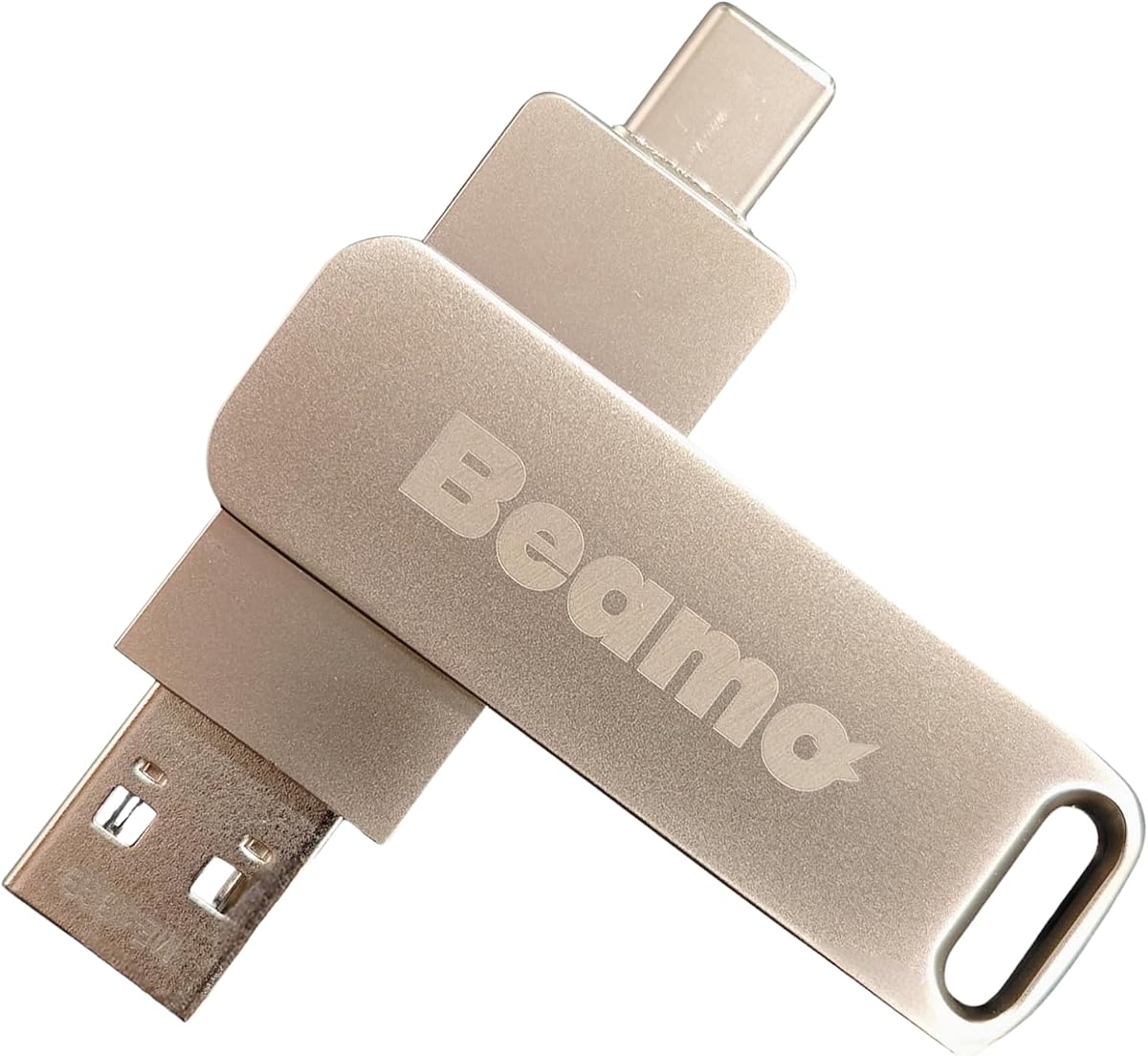
This drive stands out with its dual USB-A and USB-C design, ensuring compatibility with both modern and older machines. The premium hardware guarantees speed and longevity, making it a reliable daily driver for bootable tasks.
We may earn a commission when you buy through this link, at no additional cost to you.
It includes built-in gaming support via Lutris and Heroic Launchers, expanding its utility beyond simple system testing. The option to customize the ISO contents adds flexibility for users who want to add specific tools to the drive.
The need for customizing might deter casual users who just want to plug and play. However, for those who value adaptability, this feature makes the drive a versatile platform for various scenarios.
Ideal for users who want a high-quality hardware experience with the flexibility to tailor their boot environment, this drive combines performance with practical design features.
The dual USB port design ensures you can connect to virtually any computer without needing adapters, streamlining the boot process across devices.
Integrated gaming support means users can enjoy media and games directly from the USB, enhancing the live experience beyond productivity tools.
We may earn a commission when you buy through this link, at no additional cost to you.
This drive provides a comprehensive selection of Ubuntu distributions, catering to users who prefer the Ubuntu ecosystem. It includes LTS versions for stability and a lightweight Lubuntu option for older hardware.
We may earn a commission when you buy through this link, at no additional cost to you.
The preloaded office suite ensures users can be productive immediately upon booting. This focus on utility makes it ideal for students or professionals who need a reliable Linux environment for daily tasks.
While it offers variety within the Ubuntu family, it lacks other distributions. If your workflow relies on specific non-Ubuntu tools, this might be less versatile than a mixed-distros option.
For Ubuntu users and IT professionals managing Ubuntu infrastructure, this drive offers a convenient way to test different releases and ensure compatibility before full deployment.
The combination of standard LTS releases and lightweight Lubuntu ensures support for both modern and legacy hardware with a consistent user experience.
Access to common office and multimedia tools allows for seamless daily work without needing additional configuration or installation steps.
We may earn a commission when you buy through this link, at no additional cost to you.
Targeted at professionals, this drive includes both desktop and server installers, offering a comprehensive solution for IT admins. It supports both Intel/AMD and ARM-based architectures, providing broad hardware compatibility.
We may earn a commission when you buy through this link, at no additional cost to you.
The premium hardware ensures longevity and speed, essential for field work or emergency repairs. Its focus on privacy and stability makes it suitable for sensitive deployments where reliability is non-negotiable.
While the server installer adds significant utility, setting it up may require command-line knowledge. Casual users might find the desktop-only version simpler, but power users will appreciate the flexibility.
This drive is perfect for IT professionals and system administrators who need a reliable, high-quality tool for both desktop recovery and server management tasks.
The inclusion of a server installer and support for diverse architectures makes this drive a powerful tool for IT professionals and developers.
Designed with premium components, it delivers fast boot times and a secure environment for data privacy on public or shared networks.
We may earn a commission when you buy through this link, at no additional cost to you.
Selecting the right bootable USB drive requires considering your specific hardware, technical skills, and intended use cases to ensure compatibility and ease of use.
Ensure the drive supports your hardware's boot mode. Most modern computers use UEFI, while older models may require Legacy BIOS. Verify that the drive explicitly lists support for your system type to avoid boot failures.
Look for clear compatibility details in the product description to prevent frustration during setup.
Decide whether you need a single specific OS like Linux Mint or a multi-distro tool like the 16-in-1 option. Beginners often prefer curated lists, while professionals may need a wide range of specialized tools.
Choose a drive that offers the specific distributions you are most likely to use regularly.
Higher capacity drives allow for more operating systems and potentially more storage space for files. 32GB and 64GB are standard options that balance cost with utility.
Opt for larger capacity if you plan to use the drive for multiple purposes like file storage or testing large ISOs.
Documentation quality matters greatly. Look for drives that include printed guides, video tutorials, or clear step-by-step instructions to simplify the boot process.
Prioritize options with user-friendly resources if you are new to Linux systems.
Premium hardware ensures better read speeds and durability. Flash chips vary in quality, so opting for well-reviewed products can prevent failures during critical tasks.
Choose drives with reliable hardware to ensure longevity and consistent performance.
USB 3.0 and 3.2 drives offer significantly faster boot times compared to USB 2.0. This difference is noticeable when running entire operating systems from the drive.
Select a drive with USB 3.0 or higher for the smoothest experience and reduced waiting times.
Some drives offer tools like Tails for privacy-focused browsing. Consider if you need secure, anonymous access in addition to general system testing.
Check for specific security or privacy tools if anonymity is a priority for your use case.
While prices are generally consistent, the value comes from the included software. A slightly more expensive drive with better documentation or more distros may save time and money in the long run.
Weigh the included features against the cost to determine the best value for your needs.
To use your drive, simply plug it into your computer and restart the system. Access your BIOS or boot menu by pressing a specific key during startup, often F12, F2, or Del, depending on your manufacturer.
Once in the boot menu, select the USB drive as your boot device. You will be presented with options to run the operating system in Live Mode or install it permanently on your hard drive.
To maintain your drive, always safely eject it from your computer before unplugging. Avoid exposing it to extreme temperatures or moisture to preserve the flash memory integrity over time.
Most of these drives are designed for PC hardware with x86-64 processors and may not boot on Macs without specific configurations. Some models explicitly exclude Apple Silicon or ARM-based devices, so check compatibility before purchasing.
Yes, running a Linux system from a USB drive is safe and does not affect your main hard drive. This is often called 'Live Mode' and allows you to test systems without making permanent changes.
If Secure Boot blocks the drive, you may need to disable it in your BIOS settings. This is a common step for many bootable Linux drives and is generally safe to do temporarily.
No, these drives are designed to work offline for basic functions. However, internet access can help with updates and downloading additional software if needed while in Live Mode.
Some drives are customizable, allowing you to add or replace ISOs. However, pre-made drives may have specific partitioning that requires special tools to modify effectively.
High-quality flash chips can last for thousands of write cycles. Proper handling and safe ejection practices will help maximize the lifespan of your bootable USB drive.
We have highlighted ten excellent options ranging from beginner-friendly single-distro drives to comprehensive multi-system tools. Each selection balances ease of use, performance, and variety to suit different computing needs.
If you are new to Linux, prioritize drives with clear documentation and beginner-focused distributions. For professionals, consider options with higher capacity and specialized tools for versatility.
Prices and availability can fluctuate over time, so always check the latest listings before purchasing. This ensures you get the best value and the most up-to-date software included.