
HP ZBook 8 G1i AI Mobile Workstation
4.1Editor score
NVIDIA RTX graphics GPU
Professional display touch screen
Rich connectivity options
Interior designers require powerful tools to transform creative concepts into stunning visual realities. A capable laptop ensures smooth 3D modeling, accurate color representation, and efficient multitasking during complex projects.
We evaluated ten top-rated devices based on performance, display quality, and portability. Each option was analyzed for its ability to handle demanding software like AutoCAD, SketchUp, and rendering engines without lag.
Our picks highlight specific strengths for different workflows and budgets. Keep in mind that availability and specifications may shift, so verify current details before making your final purchase decision.
4.1Editor score

4.4Editor score
4.7Editor score
As an Amazon Associate we earn from qualifying purchases.
The following table provides a side-by-side overview of key specifications for all ten reviewed models to help you quickly identify the right device for your specific design needs.


The Dell Precision 7680 Laptop stands out as a flagship workstation designed for demanding creative workflows. With a 4.4 rating, it delivers exceptional speed for rendering and multitasking.
We may earn a commission when you buy through this link, at no additional cost to you.
Powered by the Intel Core i9-13950HX processor and 32GB of DDR5 RAM, this device handles complex CAD projects effortlessly. The 1TB SSD ensures quick file access and boot times.
While the price is higher than consumer laptops, the investment pays off in productivity and reliability. The military-grade testing ensures durability for on-site work.
Architects and interior designers who need top-tier performance will find this laptop an invaluable asset for their daily professional tasks.
The Intel i9 processor provides the raw speed needed for heavy 3D rendering without slowdowns.
Built to withstand tough environments, it supports multiple external monitors for expanded workspace.
We may earn a commission when you buy through this link, at no additional cost to you.
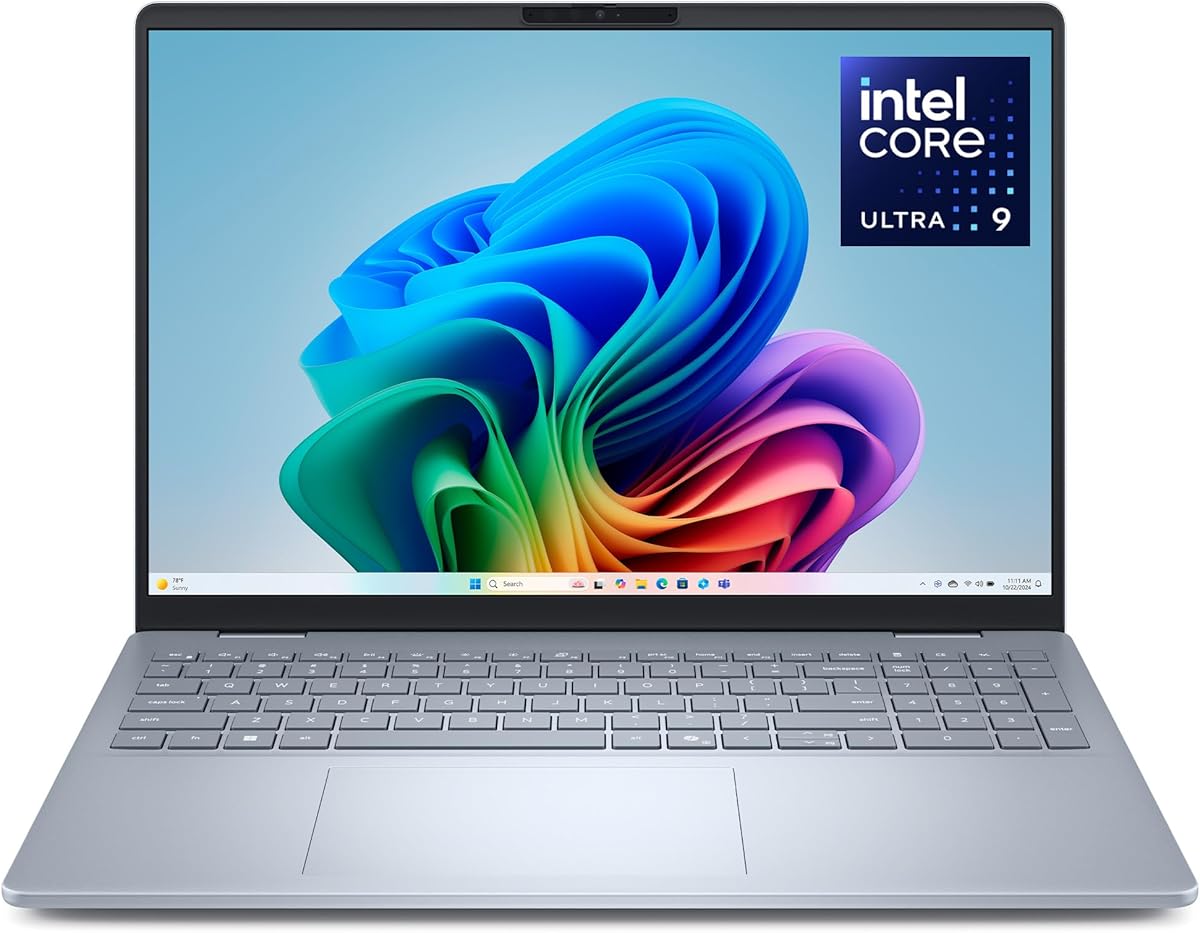
This model focuses on AI capabilities and efficiency. It is designed to handle modern workflows with smooth multitasking.
We may earn a commission when you buy through this link, at no additional cost to you.
The Intel Core Ultra 9 processor brings advanced compute engines for faster application response. The expansive screen helps with side-by-side work.
Users appreciate the cooler operation compared to older models. The FHD+ webcam makes virtual client meetings clearer.
Designers looking for a balance of portability and smart features will appreciate the focus on AI integration.
Built with the latest client compute engines to deliver new AI experiences efficiently.
Undergoes rigorous military-grade testing to ensure reliability during everyday use.
We may earn a commission when you buy through this link, at no additional cost to you.
The HP OmniBook 7 offers a stunning 2K OLED touch display ideal for color-critical work. Its 120Hz refresh rate ensures smooth interactions.
We may earn a commission when you buy through this link, at no additional cost to you.
With an Intel Core 9 processor and 32GB RAM, it handles design software efficiently. The screen supports HDR for better contrast.
Touch functionality adds versatility for sketching ideas directly on the screen. The compact design makes it easy to carry.
Designers who prioritize visual fidelity will find the OLED panel provides accurate and rich colors for presentations.
The 2K OLED display delivers deep blacks and vibrant colors for accurate color grading.
14-Core processor ensures fast task handling even with heavy multitasking.
We may earn a commission when you buy through this link, at no additional cost to you.
This mobile workstation is built for high-end 3D rendering and simulation. It features dedicated NVIDIA RTX graphics for accelerated graphics tasks.
We may earn a commission when you buy through this link, at no additional cost to you.
The 64GB RAM and 2TB SSD provide ample space for large project files. It supports up to 8K displays via Thunderbolt.
ISV certification ensures stability with professional software like AutoCAD. The IR webcam provides secure facial recognition for privacy.
For engineers and designers requiring maximum power on the go, this device offers desktop-level performance in a portable form.
NVIDIA RTX 500 Ada GPU delivers desktop-level performance for rendering and AI workloads.
Wi-Fi 7 and Thunderbolt 4 ensure ultra-fast wireless performance and data transfer.
We may earn a commission when you buy through this link, at no additional cost to you.
This model offers a solid balance with the dedicated RTX 1000 Ada GPU for professional graphics work. It fits those needing graphics power without extreme costs.
We may earn a commission when you buy through this link, at no additional cost to you.
The i5-13600HX processor supports smooth multitasking. It allows connection to four external monitors for flexible setups.
MIL-STD-810H testing ensures durability across different environments. The keyboard includes a numeric keypad for precise data entry.
It is suitable for architects and designers who need reliable workstation features for daily complex projects.
Equipped with NVIDIA RTX 1000 Ada GPU for performance and stability in design.
Supports up to four external monitors via HDMI and Thunderbolt ports.
We may earn a commission when you buy through this link, at no additional cost to you.
With an RTX 2000 Ada GPU and i7 processor, this laptop is built for robust professional workflows. It handles video editing and rendering well.
We may earn a commission when you buy through this link, at no additional cost to you.
The 2TB SSD provides extensive storage for large files. The display supports connecting four external monitors for complex layouts.
MIL-STD-810H testing ensures durability. It is designed to be a reliable partner for high-performance tasks.
Designers who prioritize raw power for rendering and complex simulations will appreciate these upgraded components.
RTX 2000 Ada GPU delivers robust performance for professionals in design and engineering.
Large 2TB NVMe SSD ensures fast data access and ample space.
We may earn a commission when you buy through this link, at no additional cost to you.
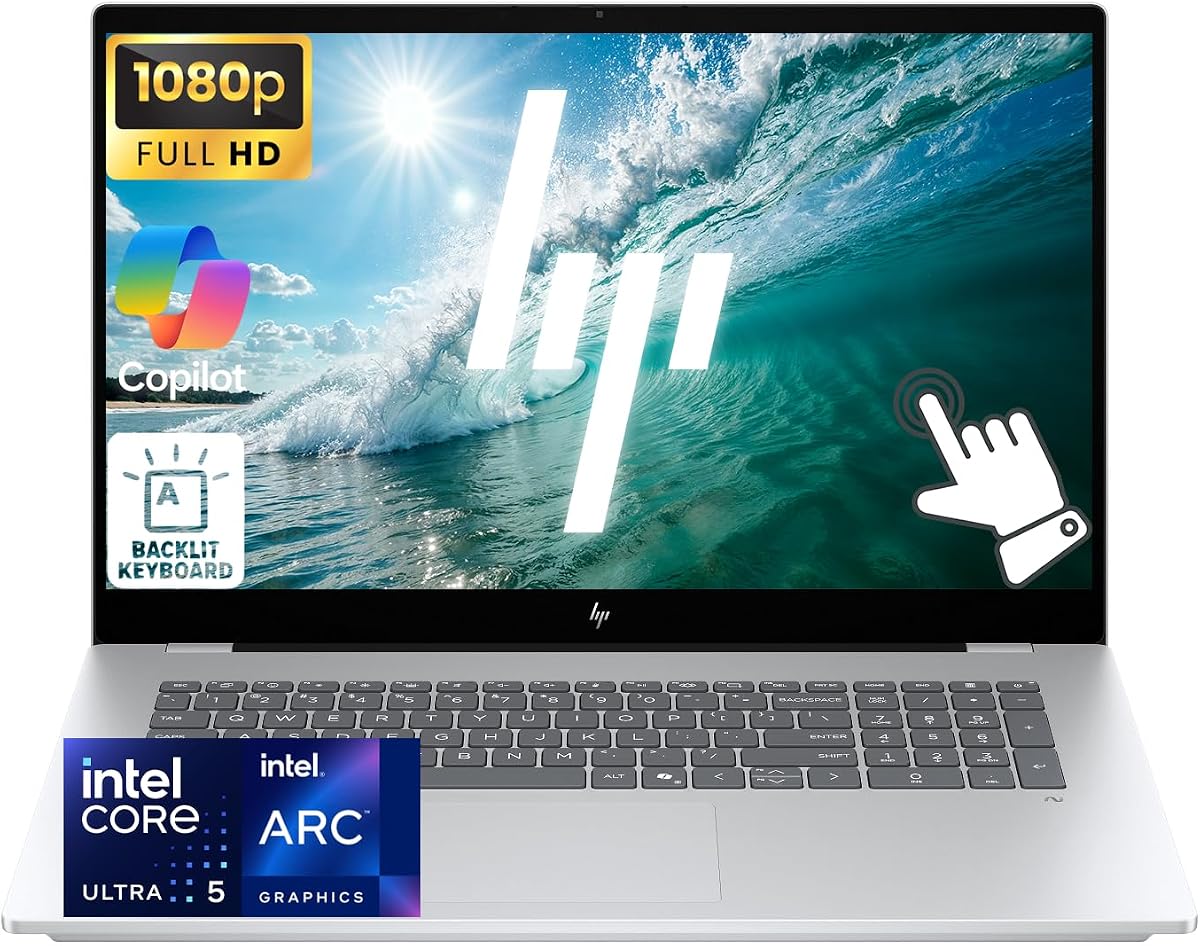
This budget-friendly model still packs a punch with a large 17.3-inch touchscreen. It has a high 4.7 rating indicating user satisfaction.
We may earn a commission when you buy through this link, at no additional cost to you.
The Core Ultra 5 processor provides decent performance for everyday tasks. The fast charging feature ensures minimal downtime.
With 16GB RAM and 1TB SSD, it handles general design tools well. The touch capability adds flexibility for navigation.
Ideal for students or those needing a portable option without high-end workstation costs.
17.3 FHD touchscreen with edge-to-edge glass for an immersive viewing experience.
Battery fast charge capability allows approximately 50 percent charge in 45 minutes.
We may earn a commission when you buy through this link, at no additional cost to you.
With 64GB of RAM, this model excels at handling massive data and complex rendering tasks. Its 5.0 rating reflects high reliability.
We may earn a commission when you buy through this link, at no additional cost to you.
The NVIDIA RTX 2000 Ada GPU ensures smooth graphics performance. It supports connecting four external monitors for extensive setups.
Designed for data science and engineering, it leverages AI to optimize system performance. The keyboard layout boosts productivity.
Professionals working with extremely large files will find this RAM capacity essential for smooth multitasking.
Intelligent design leverages AI to optimize system performance for key applications.
Full-size keyboard with dedicated numeric keypad enhances data entry speed.
We may earn a commission when you buy through this link, at no additional cost to you.
This rolling briefcase ensures your device stays secure while traveling to client sites. It fits laptops from 13 to 17 inches comfortably.
We may earn a commission when you buy through this link, at no additional cost to you.
Multiple pockets keep chargers and documents organized. The inline wheels roll quietly on various surfaces.
Its stylish design works well in boardrooms and airports. It is a practical accessory for professionals on the go.
Designers who commute often will appreciate the convenience of rolling instead of carrying a heavy bag.
Quiet smooth rolling wheels allow effortless mobility on various surfaces.
Spacious interior with multiple pockets keeps essentials neat and accessible.
We may earn a commission when you buy through this link, at no additional cost to you.
A lightweight option ideal for basic tasks and travel. It includes a 16GB RAM and extra storage options.
We may earn a commission when you buy through this link, at no additional cost to you.
The Intel Celeron processor handles light work efficiently. The included docking station helps connect peripherals.
Security features like BitLocker protect data. It is a budget-friendly choice for students.
Suitable for simple design presentations or note-taking rather than heavy 3D modeling.
Windows 11 Pro offers hardware-based isolation and encryption for data protection.
Bundle includes a USB C Docking Station for expanded peripheral support.
We may earn a commission when you buy through this link, at no additional cost to you.
Selecting the right laptop involves balancing performance, display quality, and portability to match your specific design workflow.
Interior design software requires robust multi-core processing to handle complex 3D models and rendering. Look for Intel Core i7 or i9 processors to ensure smooth operation.
Prioritize high clock speeds and multiple threads for efficient task management.
A dedicated GPU is essential for rendering realistic textures and lighting in design projects. NVIDIA RTX cards offer certified performance for professional tools.
Choose a graphics card with sufficient VRAM to handle large project files without lag.
Multitasking between design apps, browsers, and communication tools requires ample memory. Aim for at least 32GB of DDR5 RAM for future-proofing.
Higher RAM allows more design files to be open simultaneously without performance drops.
Color accuracy is critical for selecting materials and finishes. Look for OLED or high-resolution screens with 100% color gamut coverage.
A screen with high brightness and anti-glare technology ensures visibility in different lighting conditions.
Fast storage speeds significantly reduce load times for large 3D assets. NVMe SSDs provide the necessary speed for responsive editing.
Ensure the drive offers enough space for extensive project archives and software installations.
Designers often travel to client sites, so weight matters. Ultrabooks are easier to carry but may sacrifice GPU power.
Balance mobility with the need for high-performance features to suit your work habits.
Versatile ports like Thunderbolt and HDMI allow connection to multiple monitors and external devices. USB-C is essential for fast data transfer.
Check for Wi-Fi standards that ensure stable internet for cloud-based collaboration tools.
Durability is key for laptops that travel frequently. Look for MIL-STD tested chassis to withstand daily wear and tear.
A sturdy build ensures long-term reliability for your professional investment.
Regularly update your graphics drivers and operating system to ensure software compatibility and security. This helps maintain peak performance for design applications.
Keep the laptop clean by wiping the screen and keyboard with a microfiber cloth. Avoid spills and dust which can damage internal components.
Use a cooling pad during long rendering sessions to prevent overheating. This maintains thermal efficiency and extends the hardware lifespan.
Most professional design tools recommend at least 16GB of RAM for smooth operation. For complex 3D rendering, 32GB or more ensures you can run multiple applications without slowdowns.
Yes, a dedicated GPU like an NVIDIA RTX card is crucial for hardware-accelerated rendering. Integrated graphics may struggle with heavy 3D tasks and large textures.
Color accuracy is vital to ensure materials look correct in real life. Choose a screen with high color gamut coverage to avoid mismatches in your design choices.
Tablets offer portability but lack the processing power for heavy rendering. A laptop is better for full software support, while a tablet works well for sketches and presentations.
A 15 to 16-inch screen offers a good balance of workspace and portability. Larger screens can be beneficial but may reduce the ease of transport.
Use power-saving modes when not rendering. Closing unused apps and lowering screen brightness can help preserve energy during client meetings away from power outlets.
We have highlighted ten powerful options ranging from premium workstations to budget-friendly choices. Each model offers unique strengths for handling design workflows.
Consider your specific needs like rendering power versus portability when making a decision. Prioritize display quality and RAM to ensure long-term usability.
Always check current pricing and availability before buying to get the best deal for your professional setup.