SEAC Partner
4.0Editor score
Simple stopwatch function
100 meter water resistant
Backlit display for visibility
This guide compares the top 10 dive computers for beginners featuring key features like ease of use safety algorithms and connectivity to help you choose the
Starting your scuba diving journey requires reliable gear to ensure safety underwater. A good dive computer tracks depth time and decompression limits helping you avoid dangerous conditions while enjoying the ocean.
We compared ten top-rated models focusing on user-friendly interfaces clear displays and essential safety features. Each product offers unique benefits for new divers seeking accuracy and ease of use during every dive.
Each pick highlights specific strengths like budget friendliness or advanced connectivity options. Prices and availability change frequently so always check current listings before making your final decision for underwater exploration.
4.0Editor score

4.8Editor score

4.7Editor score
This side-by-side comparison highlights key specifications across all ten models to help you identify the perfect fit for your diving style and budget needs.



The Mares Puck Pro EZ stands out as an excellent choice for new divers seeking reliability and simplicity. With a high rating and a user-friendly single-button interface it ensures you focus on diving rather than fumbling with complex menus.
We may earn a commission when you buy through this link, at no additional cost to you.
Its high contrast screen makes reading depth time and no-deco limits effortless even in low light conditions. The Buhlmann ZH-L16C algorithm provides precise decompression calculations while Bluetooth connectivity allows quick dive log transfers to your smart device.
While it lacks wireless tank pressure monitoring this trade-off keeps costs lower and design simpler which is ideal for entry-level users. The replaceable battery supporting up to 100 dives ensures long-term reliability without frequent replacements.
We recommend this model for recreational divers who prioritize ease of use and accurate data tracking. Its balance of advanced features and straightforward operation makes it a top pick for starting your underwater journey with confidence.
The single-button design streamlines menu access allowing you to switch modes or check data without taking your eyes off the environment.
Dual gradient factors and Nitrox support enable tailored settings for enriched air dives enhancing safety during varied recreational excursions.
We may earn a commission when you buy through this link, at no additional cost to you.
The Shearwater Research Peregrine offers a robust platform for divers planning to advance their skills over time. Its state-aware menu structure and simple two-button interface provide clarity during dives while ensuring you can grow into more complex technical features.
We may earn a commission when you buy through this link, at no additional cost to you.
With up to 30 hours of battery life on medium brightness and a convenient wireless charging station this unit minimizes downtime between trips. The stainless steel buttons add durability for harsh environments ensuring consistent performance year after year.
While the initial investment is higher the longevity and upgrade potential justify the cost for serious enthusiasts. Beginners might find some advanced features unnecessary now but having them available ensures you wont need to upgrade soon.
Choose this if you want a device that evolves with your diving goals and maintains high performance standards. It is a smart long-term solution for those committed to exploring deeper and more varied underwater environments.
The state-aware system automatically adjusts available options based on your dive status reducing confusion during critical moments underwater.
Long battery endurance paired with wireless charging ensures your device is always ready for unexpected dives or extended trip itineraries.
We may earn a commission when you buy through this link, at no additional cost to you.
The Garmin Descent X30 brings advanced features like surface GPS and multi-gas support to beginners who want top-tier performance. Its large vibrant color display makes data visible even in bright sunlight while NDL Aware metrics help optimize bottom time efficiently.
We may earn a commission when you buy through this link, at no additional cost to you.
Surface GPS allows you to mark entry points and navigate to sites accurately which is incredibly useful for boat diving or remote locations. The customizable screens let you prioritize information that matters most to your specific diving style or training goals.
The flip-screen mode adapts the interface for easy viewing while wearing gloves and the rugged build ensures reliability in challenging conditions. However the complexity and cost might be more than a casual diver needs initially.
If you plan to dive frequently and want smartwatch capabilities alongside diving features this model excels. It bridges the gap between recreational convenience and technical precision making it a premium choice for ambitious divers.
Integrated surface GPS and compass help you track entry and exit points ensuring you never lose your way on open water dives.
Real-time NDL depth metrics show how depth changes impact safety limits empowering smarter decisions during multi-level dives.
We may earn a commission when you buy through this link, at no additional cost to you.
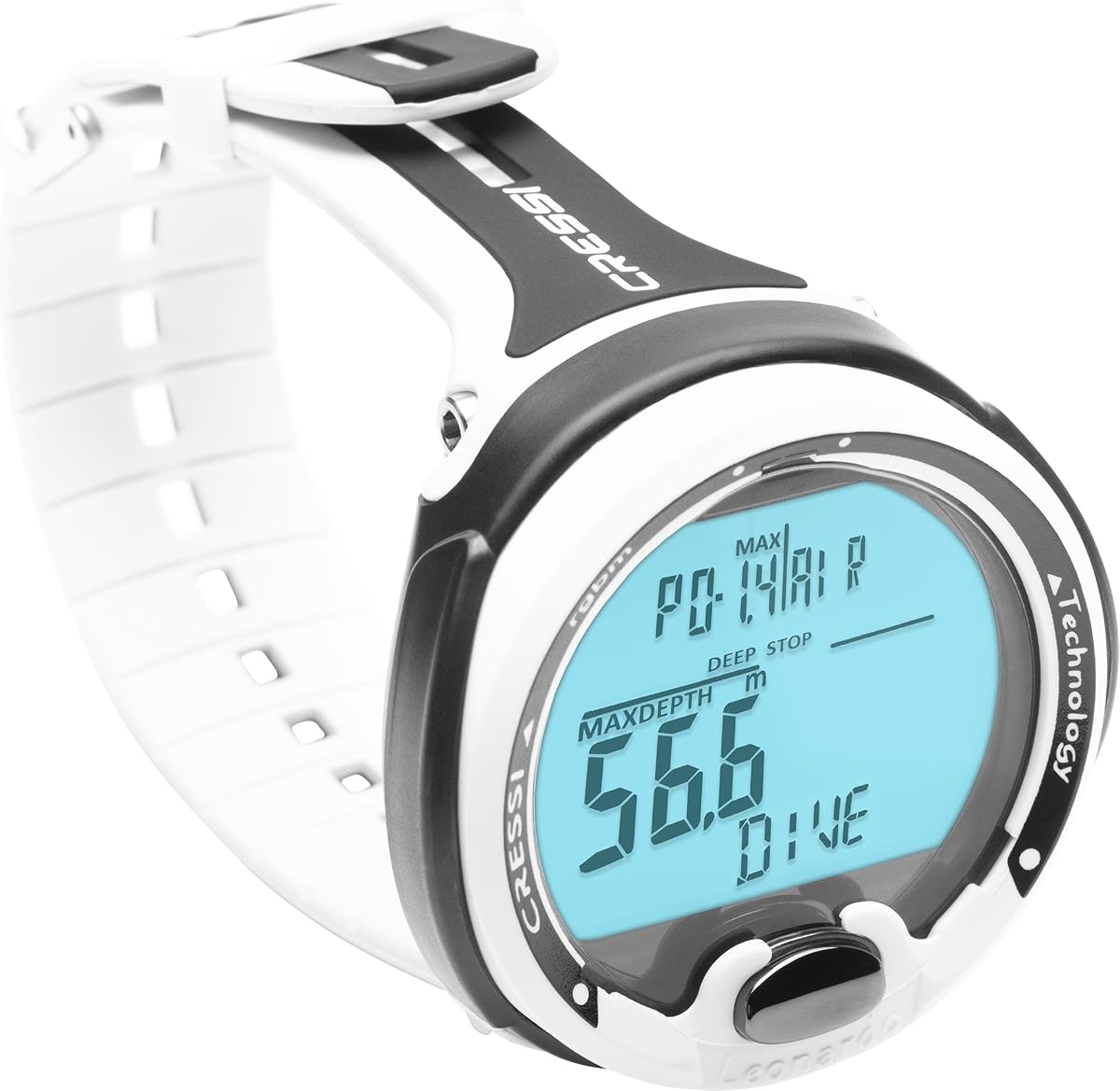
The CRESSI Leonardo 2.0 combines Italian design with practical features making it an appealing option for style-conscious beginners. Its single-button interface simplifies navigation while supporting Air and Nitrox modes to cover most recreational diving needs effectively.
We may earn a commission when you buy through this link, at no additional cost to you.
Visual and audible alarms ensure you never miss critical data like depth limits or ascent rates enhancing safety without distracting you during the dive. Pairing with iOS and Android devices allows comprehensive tracking and sharing of your underwater experiences.
While it lacks some advanced features found in premium models it delivers essential functionality at a reasonable price point. The durable build and user-friendly design make it suitable for daily training or leisure dives with confidence.
We recommend this for divers who want a reliable and stylish device without overwhelming complexity. It is a great entry-level choice that balances performance aesthetics and safety for new enthusiasts.
Integrated visual and audio warnings keep you informed of critical data changes without requiring constant screen checks.
Seamless smartphone integration makes logging and analyzing dives quick and intuitive for modern tech-savvy users.
We may earn a commission when you buy through this link, at no additional cost to you.
The Cressi Donatello excels for divers who enjoy both scuba and freediving activities. Its intuitive single-button interface and dual-mode versatility allow easy switching between air and nitrox modes while also supporting breath-hold sessions.
We may earn a commission when you buy through this link, at no additional cost to you.
User-selectable deep stops give you control over ascent planning enhancing safety during decompression dives. The optional IR interface simplifies data transfer to your computer for reviewing dive logs and tracking progress over time.
Though it lacks wireless tank pressure monitoring its focus on core functions keeps it straightforward and reliable for beginners. The customizable ascent planning is a standout feature that adds value for safety-conscious divers.
Choose this model if you want a flexible device that adapts to different diving styles without breaking the bank. It offers robust essential features in a compact and user-friendly package for diverse underwater adventures.
Seamlessly switch between scuba and freediving modes to accommodate varied interests and training sessions with a single device.
Tailored deep stop options empower you to manage ascent rates effectively for safer decompression practices.
We may earn a commission when you buy through this link, at no additional cost to you.
The Cressi Raffaello stands out with its built-in digital compass eliminating the need for an extra tool underwater. Its RGBM-based mixed-gas planning system supports meticulous preparation for varied gas mixes and ensures accuracy during complex dives.
We may earn a commission when you buy through this link, at no additional cost to you.
Bluetooth and USB connectivity provide flexible options for transferring dive logs to smartphones or PCs for easy review. The user-replaceable battery offers up to four years of life reducing maintenance and ensuring readiness for every trip.
While it is slightly more expensive than basic models the navigation convenience and advanced planning features justify the investment. It is particularly beneficial for divers who prioritize precise route tracking and detailed dive planning.
Recommend this for those seeking a complete package with built-in navigation and reliable data management. It simplifies your gear setup while providing essential tools for safe and organized underwater exploration.
Eliminate the need for a separate compass with built-in digital navigation that keeps your hands free and focus sharp underwater.
RGBM algorithm support enables detailed mixed-gas planning essential for divers exploring varied depths and decompression profiles.
We may earn a commission when you buy through this link, at no additional cost to you.
The SUUNTO D5 features a sleek all-black design paired with wireless tank pressure monitoring for enhanced convenience. Its color display and vibration alarms ensure you stay informed underwater without relying solely on visual cues.
We may earn a commission when you buy through this link, at no additional cost to you.
Wireless mobile connection simplifies syncing dive data with your smartphone making log management easy and efficient. The digital compass adds navigation capability ensuring you can track your direction confidently during every dive.
While battery life may require frequent recharging its wireless features and modern design appeal to tech-focused divers. The intuitive layout and reliable performance make it a solid choice for those valuing style and connectivity.
Choose this if you prefer a streamlined device that integrates well with modern smartphones. It offers essential tools and a premium aesthetic for divers seeking both form and function in their gear.
Wireless tank monitoring and mobile syncing reduce cable clutter and streamline data management for a cleaner underwater experience.
Vibration alarms provide discreet warnings for critical data changes ensuring you stay safe without disturbing dive flow.
We may earn a commission when you buy through this link, at no additional cost to you.
The Garmin Descent G2 blends diving capabilities with smartwatch features making it ideal for daily wear and underwater adventures. Its 1.2 inch AMOLED display is vibrant and readable while supporting all diving types from recreational to technical.
We may earn a commission when you buy through this link, at no additional cost to you.
Dive readiness insights based on sleep and stress help you make informed decisions about dive safety. Multi-GNSS support ensures accurate entry and exit point marking while recycled materials reflect a commitment to sustainability.
Health tracking and smart notifications keep you connected beyond diving enhancing overall lifestyle utility. While complex it rewards users with comprehensive functionality that reduces the need for multiple devices.
Select this for a versatile hybrid device that serves well as both a diving tool and everyday watch. It is perfect for active individuals wanting seamless integration of health tracking and underwater safety features.
Readiness features analyze your physical state to guide safe diving decisions based on sleep stress and recent activity.
Smart notifications and fitness apps let you wear this device comfortably every day without compromising diving performance.
We may earn a commission when you buy through this link, at no additional cost to you.
The Garmin Descent Mk3i represents top-tier engineering with titanium build and advanced SubWave sonar for diver-to-diver communication. Its 1.4 inch AMOLED display and multi-band GPS ensure superior clarity and navigation accuracy for demanding dives.
We may earn a commission when you buy through this link, at no additional cost to you.
Bathymetric dive maps help you explore new sites confidently while dive readiness tools assess your body preparedness based on lifestyle factors. Built-in LED flashlight and health monitoring add layers of functionality for comprehensive safety and tracking.
While it comes with a high price tag the extensive features justify the cost for serious divers. Its rugged construction and premium materials ensure longevity making it a worthy investment for frequent explorers.
Choose this if you demand the highest performance and are willing to invest in top equipment. It delivers unmatched technical capabilities and daily smartwatch utility for the discerning diving enthusiast.
SubWave sonar allows preset diver messaging and tank monitoring enhancing group safety and coordination during shared dives.
Bathymetric depth contours and thousands of dive sites help you plan and navigate exciting new underwater locations easily.
We may earn a commission when you buy through this link, at no additional cost to you.
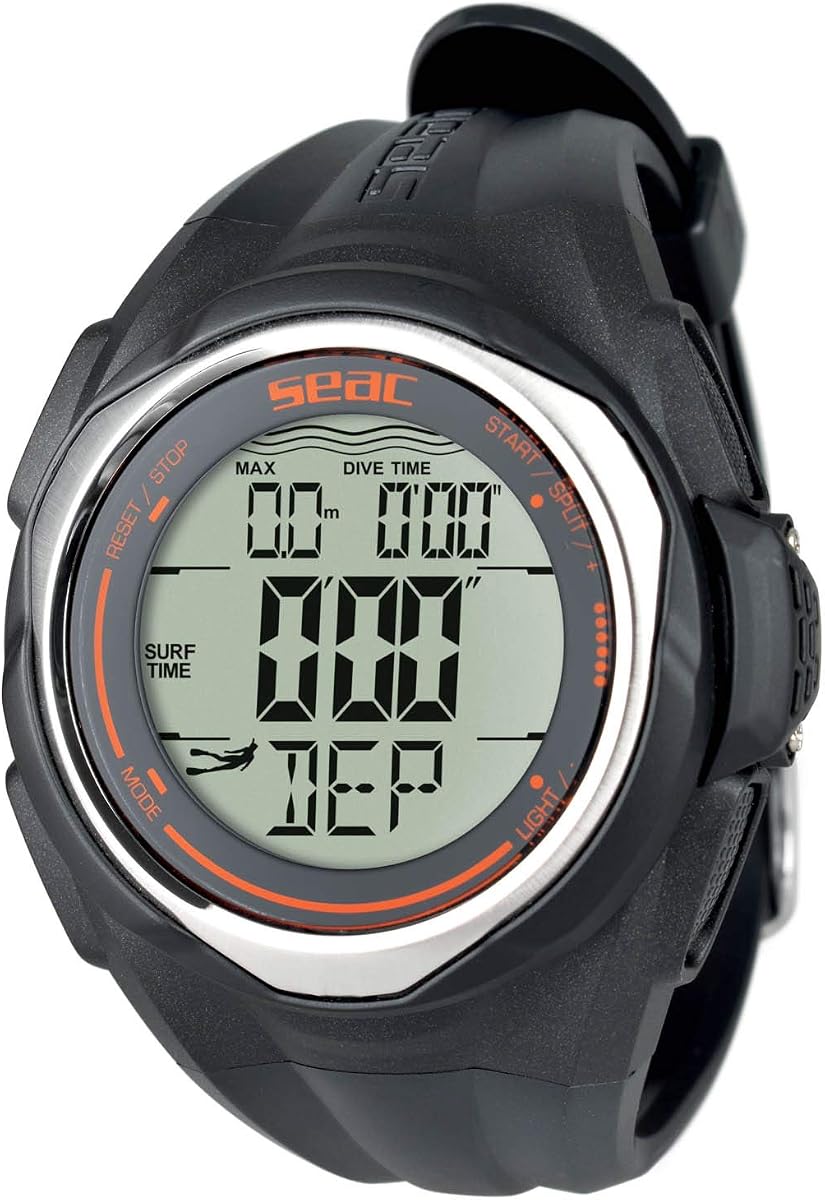
The SEAC Partner offers an affordable entry into diving with essential features for tracking sessions. Its simple stopwatch function and backlit display make it easy to monitor dive times and depth during recreational or freediving excursions.
We may earn a commission when you buy through this link, at no additional cost to you.
With 100 meters water resistance it handles shallow scuba and breath-hold dives comfortably while storing up to 99 dive records. The lightweight wrist-mounted design ensures comfort without interfering with your movement in the water.
While it lacks advanced decompression calculations its simplicity and budget-friendly price make it ideal for casual users or beginners. It covers fundamental tracking needs without overwhelming complexity or financial investment.
Choose this if you want a reliable basic tracker to start your diving journey. It provides essential functionality for monitoring sessions and is a practical choice for budget-conscious divers.
Affordable pricing allows new divers to access essential session tracking without investing in high-end decompression computers immediately.
Designed for freediving it records dives effectively ensuring you track breath-hold sessions safely and accurately.
We may earn a commission when you buy through this link, at no additional cost to you.
Selecting the right dive computer involves evaluating features that align with your diving goals budget and technical needs.
Beginners benefit from intuitive menus and minimal buttons allowing quick access to data without distractions. Look for single-button designs or clear state-aware interfaces that reduce learning curves.
Prioritize simplicity to ensure you can check critical info like time and depth efficiently while focusing on your environment.
A bright high-contrast screen ensures readability in low light or murky conditions. Color displays often offer better visual hierarchy but monochrome can suffice if backlit well.
Choose a display size and resolution that makes numbers easy to read from a glance underwater.
Reliable algorithms like Buhlmann or RGBM calculate safe ascent limits accurately. Beginners should look for built-in safety factors that minimize risk during training.
Ensure the algorithm supports your intended activities such as recreational air or enriched air Nitrox dives.
Bluetooth or USB transfer capabilities simplify logging dives and sharing experiences with instructors or friends. Wireless tank pressure monitoring adds convenience for monitoring air consumption.
Connectivity helps you review past dives and track progress over time for better planning.
Long battery life reduces the need for frequent recharges or replacements during trips. Lithium or rechargeable options vary in endurance and maintenance requirements.
Check battery specifications to ensure your device lasts through your planned diving schedule without interruption.
All dive computers are water resistant but depth ratings differ. Beginners typically need units rated to 100 meters or more for safety.
Ensure the model meets depth standards relevant to your diving activities to prevent equipment failure.
Rugged housing and scratch-resistant screens protect against impacts and abrasions. Consider materials like titanium or reinforced plastics for long-term use.
Durability ensures your investment withstands frequent dives and harsh conditions over years of service.
Prices range widely depending on features. Beginners can find capable models under 300 while advanced units cost significantly more.
Balance essential features with affordability to avoid overspending on capabilities you may not need yet.
Before diving power on your device and verify battery status and sensor connectivity. Sync settings like gas mix to match your planned dive parameters for accurate decompression tracking.
During your dive check the display frequently but avoid excessive tapping that could obscure the screen. Rely on audible alarms for critical alerts to stay aware without constant screen monitoring.
After diving rinse the device with fresh water to remove salt and debris. Store it in a cool dry place and update firmware regularly to maintain performance and accuracy.
Yes most agencies require dive computers to ensure safe monitoring of depth and time during training dives. It helps instructors verify compliance and provides you with real-time safety data underwater.
Yes many modern dive computers include freediving modes that track breath-hold sessions safely. Look for devices specifically mentioning apnea or breath-hold features when choosing a model.
Battery replacement frequency depends on usage but rechargeable units typically last 30 hours per charge. Disposable batteries may need changing every 50 to 100 dives depending on the device.
It indicates the maximum time you can stay at a given depth without needing decompression stops. Staying within this limit ensures safer surfacing and reduces risk of decompression sickness.
Dive computers are built to withstand water pressure at specific depths typically 100 meters or more. Water resistance ratings vary so ensure the model suits your diving depth requirements.
Advanced models support multi-gas and technical diving with features like trimix support. Beginners should start with recreational models but can upgrade as skills progress.
Choosing the right dive computer sets the foundation for safe and enjoyable underwater exploration. Models like the Mares Puck Pro EZ and Shearwater Peregrine offer excellent balance of features and usability.
Prioritize ease of use display clarity and reliable safety algorithms when evaluating your options. Advanced features like GPS or tank monitoring add value but are not mandatory for entry-level needs.
Prices and availability change so always verify current listings and warranties before purchase. Investing in a quality device ensures years of reliable performance as you advance your diving skills.