
Calibrite Display 123
4.0Editor score
Easy 1 2 3 workflow
Supports up to 2 displays
USB C connection included
This guide compares the top colorimeter for monitor calibration tools to help you choose the right device for accurate color management in your workflow.
Achieving accurate color on your display is essential for photographers and designers who need to trust what they see. A reliable colorimeter ensures your monitor matches real-world outputs. It prevents costly mistakes caused by color shifts or inconsistent calibration across different devices.
We evaluated leading calibration tools based on accuracy, ease of use, and support for modern display technologies like OLED and Mini LED. Each product was assessed for its software capabilities, sensor precision, and compatibility with various operating systems to ensure you get the best performance.
Every pick in this list highlights specific strengths for different user needs from budget-friendly options to professional-grade kits. While we highlight current data, prices and availability can change frequently so always verify details before purchasing your preferred calibration solution today.
4.0Editor score
4.5Editor score

4.0Editor score
The following table provides a side-by-side comparison of all ten colorimeters analyzed in this guide to help you quickly identify the key specifications and features that matter most for your specific calibration needs and display technology.


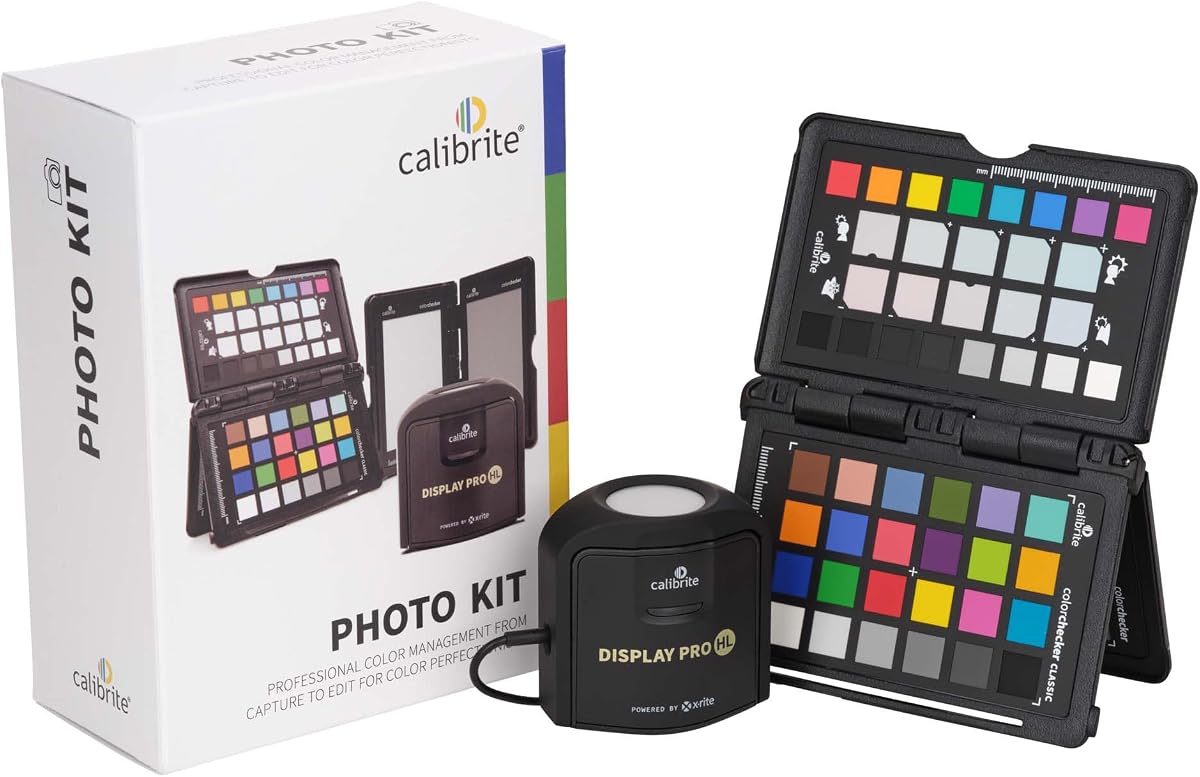
The Calibrite Photo Kit stands out as a comprehensive solution for photographers who need a complete color workflow. With a high rating for its capabilities it includes the Display Pro HL colorimeter and the ColorChecker Passport Photo 2. This combination allows you to calibrate your camera and monitor for consistent results from capture to final export.
We may earn a commission when you buy through this link, at no additional cost to you.
Its standout quality is the ability to create custom camera profiles for RAW workflows which significantly reduces color guesswork. The Display Pro HL handles modern displays like OLED and Apple XDR ensuring your edits match the final output. The software provides presets and customizable targets like white point and gamma for professional control.
While the kit is more expensive than a simple monitor calibrator it saves time by unifying your workflow. The learning curve for the software is minimal for those used to editing tools. This trade-off is acceptable given the reliability it brings to client work where color consistency is critical.
Photographers working with RAW files or requiring consistent white balance will find this kit indispensable. It ensures your images look the same across different devices. For anyone serious about color accuracy in both capture and display this tool is the top recommendation.
This kit combines camera profiling and monitor calibration to create a consistent process that reduces guesswork across sessions and locations.
The Display Pro HL calibrates modern laptop and desktop displays including Mini LED and OLED for true editing accuracy.
We may earn a commission when you buy through this link, at no additional cost to you.
The Calibrite Display Plus HL is designed for professionals working with HDR capable monitors and super bright displays. Its advanced HL sensor measures up to 10000 nits which ensures accurate calibration even on high luminance screens like Apple XDR. This makes it a top choice for video editors and colorists.
We may earn a commission when you buy through this link, at no additional cost to you.
The PROFILER software included offers both Basic and Advanced modes with full adjustment of white point and gamma. It supports broadcast standards like Rec.709 and BT.1886 which are essential for video production pipelines. The validation tools help you trust the results with profile and uniformity checks.
While powerful this tool may be too complex for casual users who need simple calibration. The lack of an ambient light sensor means manual brightness adjustment is required. However for professionals managing consistent highlights and black levels this level of control is necessary.
If you work with HDR content or need to match colors across multiple monitors this colorimeter is the best option. It delivers reliable grading decisions and consistent tonal detail. It is the premium choice for anyone needing precise video standards compliance.
Measures ultra bright displays up to 10000 nits to maintain consistent highlights and reliable grading decisions for HDR workflows.
Supports Rec 709 and BT.1886 options to ensure accurate monitoring across video production pipelines and broadcast standards.
We may earn a commission when you buy through this link, at no additional cost to you.
The Calibrite Display 123 offers a straightforward way to achieve accurate color without complicated settings. Its guided 1 2 3 workflow makes calibration fast and approachable for photographers and creators. The compact body and USB C connection ensure ease of use in any setup.
We may earn a commission when you buy through this link, at no additional cost to you.
This model supports up to 2 displays which is ideal for multi screen workspaces. The built in before and after check lets you see the improvement instantly. It corrects common color shifts to deliver truer tones and reliable contrast for consistent editing sessions.
While it lacks the advanced features of higher end models it covers the essential needs of most users. You might not get broadcast standards or extreme luminance measurement. However for basic photo editing and accurate viewing this tool provides excellent value.
Beginners and casual creators will find this colorimeter easy to adopt and trust. It helps you edit with confidence by showing accurate color. For those who want simplicity without sacrificing accuracy this is the top budget recommendation.
Guided 1 2 3 workflow makes calibration fast and approachable helping creators achieve accurate color without complex settings.
Calibrates up to 2 monitors for matching color across multi screen workspaces essential for consistent viewing.
We may earn a commission when you buy through this link, at no additional cost to you.
The datacolor Spyder calibrator is designed to meet the needs of today digital digital workflows. It takes only about 90 seconds to ensure an accurate color starting point for viewing and editing. The exclusive DevicePreview feature simulates how your photos will look on other devices.
We may earn a commission when you buy through this link, at no additional cost to you.
It fully calibrates a wide range of displays including OLED mini LED and Apple Liquid Retina XDR. The ambient light sensor tracks room light so you can adjust brightness to ideal levels. This adaptability helps maintain consistency as lighting changes in your workspace.
While the software is intuitive for novices it offers customizable settings for professionals too. The trade-off is that it may not offer the same depth of adjustment as dedicated video tools. However for general color confidence it is a reliable choice.
Photographers and casual users who want quick results will appreciate this tool. It prevents surprises in color by ensuring your screen matches reality. If you need fast and easy accuracy this Spyder model is highly effective.
Simulates what your photos can look like on other devices on your own calibrated screen to prevent color surprises.
Ambient light sensor measures room light so you adjust your display to ideal levels automatically or with warning.
We may earn a commission when you buy through this link, at no additional cost to you.
The Calibrite Creator Kit combines the Display 123 colorimeter with the ColorChecker Passport Video 2 for a complete color control system. It is designed for content creators who need consistency across capture and edit workflows. The kit supports exposure reference and white balance setup effectively.
We may earn a commission when you buy through this link, at no additional cost to you.
Passport Video 2 helps set accurate white points and match multiple cameras on set. This gives filmmakers and hybrid shooters a reliable reference for consistent footage in changing lighting conditions. The Display 123 ensures your on-screen color matches your final output.
While the hardware is basic compared to premium models the combination of tools is unique. It reduces trial-and-error corrections significantly. You won't get advanced grading features but you get what is needed for consistent photography and video work.
This kit is ideal for photographers and filmmakers who require consistent color standards across multiple devices. It helps maintain professional results from on-set capture through final post-production. For hybrid creators this is the most practical choice.
Passport Video 2 helps set accurate white point and match multiple cameras for consistent footage in mixed lighting.
Display 123 provides an easy workflow to trust on-screen color when editing or delivering consistent work.
We may earn a commission when you buy through this link, at no additional cost to you.
The Calibrite ColorChecker Display Pro is a versatile colorimeter known for its powerful yet easy to use ccProfiler software. Its optical design allows for high repeatability on the same display and across different types. This ensures consistent color profiling results every time.
We may earn a commission when you buy through this link, at no additional cost to you.
A rotatable diffuser arm can be used as a stand for tabletop projector profiling or as a cover for instrument optics. The integrated tripod mount is convenient for projector profiling in larger venues. This flexibility makes it suitable for various environments.
While the software interface may feel dated compared to newer options it remains powerful. It is powered by X-Rite ensuring high quality. The trade-off is the need for specific adapters which some users might find inconvenient.
Professionals who need to calibrate projectors or require high repeatability will appreciate this tool. It delivers reliable results with simple design. If you need a durable and versatile colorimeter this model is a strong choice.
Optical design allows for high repeatability on the same display and across different display types.
Integrated tripod mount and rotatable diffuser arm allow for projector profiling in larger venues.
We may earn a commission when you buy through this link, at no additional cost to you.
The Datacolor Spyder5PRO is designed for serious photographers and designers who need accurate color quickly. Full calibration takes only about five minutes to ensure color accuracy. It includes room light monitoring to determine optimal monitor brightness for fine shadow detail.
We may earn a commission when you buy through this link, at no additional cost to you.
The 'Before and After' evaluation feature lets you compare your calibration results using your own photographs. The Display Analysis feature lets you evaluate the performance of all your monitors. This helps you avoid the print-edit-print cycle and waste less ink.
While this is an older model it still offers strong functionality for basic needs. It may not support the latest OLED or Mini LED technologies as well as newer tools. However it remains a solid choice for those who need simple RGB profiles.
Photographers who want to see shadow details clearly will benefit from the room light monitoring. It ensures your edited images match your prints. If you prioritize simplicity and reliability this classic tool remains useful.
Room light monitoring determines optimal monitor brightness so you see fine shadow detail and highlights accurately.
Lets you evaluate and compare the performance of all your laptop and desktop monitors quickly.
We may earn a commission when you buy through this link, at no additional cost to you.
The ASUS ProArt CaliContrO MCA02 is a 3-in-1 multiple function tool combining a colorimeter with Display OSD control and ASUS Dial features. It measures up to 10000 nits for precise HDR calibration compatible with LED and Mini LED displays. The reversible USB-C connection provides quick connectivity.
We may earn a commission when you buy through this link, at no additional cost to you.
The 5-way navigator provides intuitive Display OSD control accessible within the reach of your hand. The ASUS Dial provides customizable shortcuts for easy precise control of your creator software. This integration is designed to streamline the workflow for creators.
However users have reported software compatibility issues which affect performance. While the hardware is powerful the setup can be complex. This makes it a challenging choice for those without advanced technical knowledge or patience.
If you work within the ASUS ecosystem and need hardware OSD control this tool may suit you. It supports HDR and allows precise control. However ensure you check compatibility before purchasing due to software limitations.
5-way navigator provides intuitive Display OSD control accessible within the reach of your hand for easy adjustments.
Integrate ASUS Dial to provide customize shortcuts for easy precise control of your creator software.
We may earn a commission when you buy through this link, at no additional cost to you.
The Datacolor Spyder4Pro offers automated color and brightness calibration for accurate display tuning. Its full-spectrum color sensor calibrates multiple displays with double-shielded color filters. This ensures an average accuracy that is up to 26% higher than previous generations.
We may earn a commission when you buy through this link, at no additional cost to you.
The ReCAL feature makes it quick and easy to recalibrate your display to compensate for changes over time. Improved stability between units is 19% better which ensures consistency across multiple devices. It is designed to match CIE color standards closely.
While this is an older model it still delivers reliable results for basic calibration tasks. You may not get the advanced features of newer tools but it provides solid performance. The trade-off is the lack of OLED or Mini LED support.
Photographers needing a stable and repeatable tool will find this model useful. It ensures long term stability with accurate calibration. If you need a budget friendly option for older displays this remains a dependable choice.
The ReCAL feature makes it quick and easy to recalibrate your display to compensate for changes over time.
Fourth-generation Spyders have double-shielded color filters for even closer match to CIE color standards.
We may earn a commission when you buy through this link, at no additional cost to you.
The Datacolor Spyder X Pro features a groundbreaking lens-based color engine for a higher level of color accuracy. It is so intuitive that you don't have to be a color expert to use it. Quick single-click calibration takes just a minute or two to ensure precision.
We may earn a commission when you buy through this link, at no additional cost to you.
It features room-light monitoring and automatic profile changing for precise screen color and shadow detail. The SpyderProof functionality provides before-and-after evaluation of your display using your own images. This allows you to see the difference clearly.
While the wizard workflow is simple the software requires a subscription for full features. The trade-off is the ease of use for first-time users. It calibrates multiple laptops and desktop monitors with 12 predefined calibration targets.
If you are new to calibration and want a simple process this tool is ideal. It ensures accurate color for photographic images with minimal effort. For beginners this is the most user friendly option available.
So intuitive you don't have to be a color expert with quick wizard workflow and single-click calibration.
Provides before-and-after evaluation of your display and allows you to see the difference using your own images.
We may earn a commission when you buy through this link, at no additional cost to you.
Choosing the right colorimeter depends on your specific workflow and display technology. This guide breaks down key factors to help you make an informed decision.
Ensure the colorimeter supports your specific display type such as OLED Mini LED or LCD. Newer models offer high luminance sensors that measure up to 10000 nits for HDR accuracy.
Check product specs to confirm support for Apple XDR or other high brightness screens if you work with video or advanced photo editing.
Look for software that offers customizable settings like white point gamma and contrast ratio. Advanced tools provide validation features such as Quick Check and Profile Validation.
Basic workflows are easier for beginners but professionals need full adjustment control to ensure consistency across sessions.
A high quality sensor ensures accurate color matching and repeatability. Models with double-shielded filters or advanced optical designs offer better consistency over time.
Avoid older sensors that may struggle with modern display technologies. Precision is key to avoiding guesswork in your edits.
Some colorimeters include an ambient light sensor to track room lighting changes. This helps adjust brightness and contrast to ideal levels automatically.
If you work in varying lighting conditions this feature is essential to maintain consistent viewing experiences.
Many users work with multiple monitors so check if the tool supports calibrating more than one screen. Matching color across displays is vital for consistent editing.
Dual display support ensures you can trust both screens when working on complex projects.
Consider kits that include camera profiling tools like ColorChecker Passport for complete capture to edit consistency. This reduces color shifts between shooting and editing.
Integrated workflows save time and ensure reliable results across different software platforms.
A guided workflow or wizard makes calibration approachable for all experience levels. Look for features like Before and After checks to verify results easily.
Simple setups reduce the risk of errors and encourage regular calibration for consistent results.
USB C connections are standard in newer models for effortless connectivity to modern laptops. Check if adapters are included if your system uses older ports.
Reversible USB C cables provide quick and easy setup without worrying about orientation.
Start by downloading the latest software version to ensure compatibility with your operating system. Follow the guided setup process to position the device correctly on your screen without direct light interference.
Run the calibration process while sitting in your usual working position to account for ambient light conditions. Allow the software to complete its cycle and verify the Before and After results to confirm accuracy.
Store your colorimeter in a protective case when not in use to prevent dust or damage to the sensor. Recalibrate every month or when lighting conditions change significantly to maintain consistent color accuracy.
It is recommended to calibrate your monitor once a month to ensure consistent color accuracy. Regular calibration accounts for natural shifts in display brightness and color temperature over time.
Yes even high-end monitors can drift over time due to aging panels. A colorimeter ensures your display matches industry standards and remains accurate for professional work.
Many newer tools like the Display Plus HL and Photo Kit support Apple XDR and Mini LED displays. Always check the product specifications for compatibility before purchasing.
Calibration adjusts the monitor to match a standard while profiling creates a custom color profile for your specific display. Both are essential for achieving accurate color across different devices.
Some software features may require a subscription but many tools offer free versions. Check the product details to understand if the included software has limited functionality.
Certain models like the ColorChecker Display Pro include features for projector profiling. Look for tripod mounts or diffuser arms if you plan to calibrate projectors.
The Calibrite Photo Kit stands out for its complete workflow while the Display Plus HL offers high luminance precision for professionals. Budget options like the Display 123 provide essential accuracy for most users without complexity.
Prioritize display compatibility and software features that match your editing needs. Whether you need broadcast standards or simple color accuracy there is a tool suited for your specific workflow.
Prices and availability can change so always check current deals before purchasing. Regular calibration ensures your work remains accurate and professional across all devices.