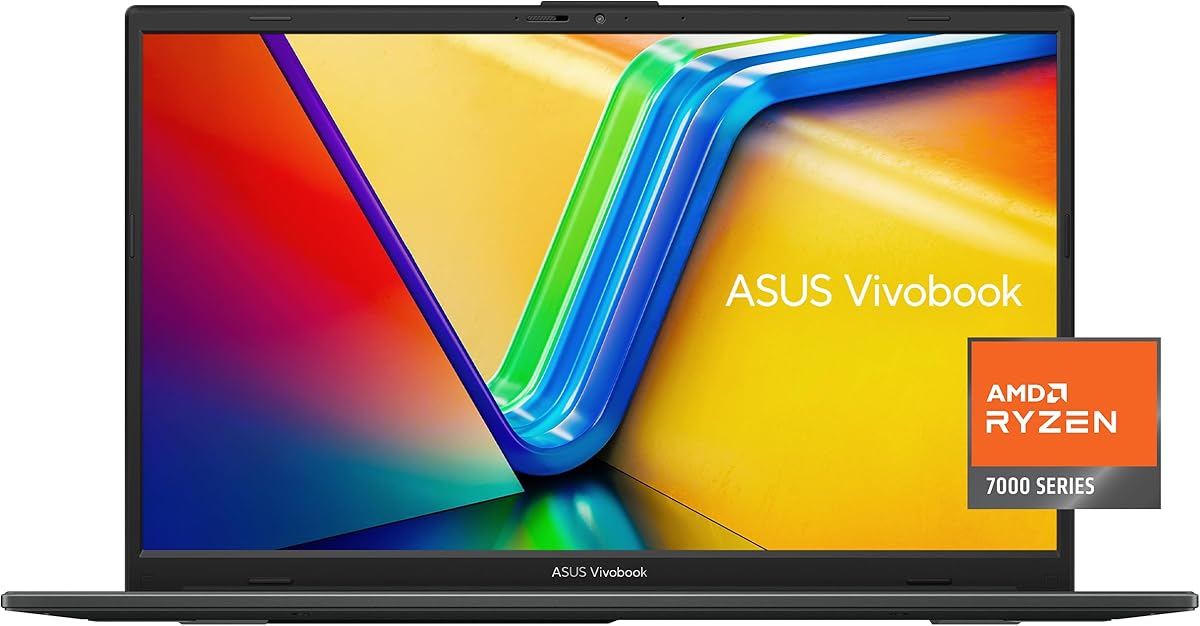
ASUS Vivobook Go 15.6" FHD Slim Laptop
4.3Editor score
AMD Ryzen 3 7320U Processor
8GB DDR5 RAM and 128GB SSD
15.6 Inch FHD Display
Finding the right laptop is crucial for academic success. ASUS offers a wide range of models designed to handle everything from writing essays to complex research projects. We have reviewed the latest options to help you find the perfect fit.
Our team analyzed key features like processor speed, memory capacity, and build quality. We focused on durability and battery life since students often work long hours away from power outlets. Each model was evaluated against specific academic needs.
This guide presents ten top picks ranging from budget-friendly options to high-performance machines. Each entry highlights specific strengths and potential limitations to aid your decision. Please note that product specifications and pricing may change over time.
4.3Editor score

4.8Editor score

4.5Editor score
As an Amazon Associate we earn from qualifying purchases.
This comparison table provides a quick overview of the specifications for each model. It allows you to see the differences in processors, memory, and storage at a glance.


This model offers exceptional value for students on a tight budget. It features an AMD Ryzen 3 processor that handles everyday tasks like web browsing and word processing efficiently. The 15.6 inch display provides enough screen real estate for multitasking.
We may earn a commission when you buy through this link, at no additional cost to you.
The laptop includes 8GB of DDR5 RAM which ensures smooth operation when multiple applications are open. Its military grade durability means it can withstand the rigors of daily transport in a backpack. The webcam shield adds an important layer of privacy for online classes.
One limitation is the storage space which may require external drives for large file collections. The processor is sufficient for basic needs but not for heavy editing or gaming. These trade-offs are acceptable given the low price point.
This device is ideal for high school or undergraduate students who need a reliable machine for basic coursework. It balances cost and performance effectively without unnecessary extras.
The AMD Ryzen 3 processor delivers sufficient speed for note-taking and research tasks.
Military grade testing ensures the chassis remains sturdy during daily commuting.
We may earn a commission when you buy through this link, at no additional cost to you.
This 2023 model upgrades the processor to the Ryzen 5 which offers better multitasking capabilities. The storage increases to 512GB allowing more room for documents and media files. Fast charging technology helps quickly replenish battery during busy schedules.
We may earn a commission when you buy through this link, at no additional cost to you.
The inclusion of Wi-Fi 6E provides stable connectivity in crowded campus networks. The ErgoSense keyboard reduces strain during long typing sessions for assignments. Thermal management keeps the device cool even under moderate workloads.
The screen brightness is adequate for indoor use but might struggle in bright sunlight. Integrated graphics limit gaming performance to very casual titles. These are minor issues for a device focused on productivity.
Students needing more storage and processing power than the base model will appreciate this choice. It remains affordable while offering significant improvements in speed and capacity.
Wi-Fi 6E ensures fast and stable internet connections in dorms or libraries.
IceCool thermal technology maintains performance without overheating during use.
We may earn a commission when you buy through this link, at no additional cost to you.
This model stands out with its Snapdragon X processor and 16GB of RAM. It is optimized for AI tasks and offers exceptional battery efficiency. The 14 inch form factor makes it easy to carry between classes.
We may earn a commission when you buy through this link, at no additional cost to you.
The display delivers crisp visuals with a WUXGA resolution that enhances text clarity. Windows 11 Home comes pre-installed with the latest security features. The Copilot+ PC capabilities provide advanced productivity tools for research and writing.
Some older software might not be fully optimized for the ARM architecture used here. Users may need to adjust expectations regarding legacy application compatibility. This is a growing field and support is improving rapidly.
Ideal for students who prioritize portability and battery life over raw gaming performance. It represents a forward-thinking choice for those ready to embrace new computing paradigms.
Copilot+ features enable advanced content creation and search capabilities.
Compact 14 inch design fits easily into small bags or backpacks.
We may earn a commission when you buy through this link, at no additional cost to you.
This device is designed for minimal usage such as web browsing and light document editing. It is extremely light which makes it convenient for students with mobility concerns. The price is among the lowest available in the ASUS lineup.
We may earn a commission when you buy through this link, at no additional cost to you.
Windows 11 Home in S mode provides a secure environment but limits app installations to the Microsoft Store. The battery offers all-day use for basic tasks. Fast charge via USB-C ensures quick power top-ups between classes.
The 4GB RAM and Celeron processor mean performance will be slow with multiple tabs open. Storage is also minimal which requires reliance on cloud services. These limitations make it unsuitable for heavy workloads.
Best suited for primary or middle school students needing a basic machine for homework. It serves as a functional tool without unnecessary financial burden.
Sufficient for word processing and educational software needs only.
Easy to carry due to slim and lightweight chassis design.
We may earn a commission when you buy through this link, at no additional cost to you.
The 16 inch screen offers ample space for split-screen productivity and research. It utilizes the Snapdragon X processor which balances power and efficiency. The display resolution supports sharp text and vibrant colors for media consumption.
We may earn a commission when you buy through this link, at no additional cost to you.
16GB RAM ensures smooth multitasking across various academic applications. The battery life is optimized for long study sessions without needing a charger. Connectivity options include standard ports for peripherals and external displays.
The larger size adds some weight making it less portable than 14 inch counterparts. Integrated graphics limit gaming capabilities to casual titles. These factors are secondary for users prioritizing screen real estate.
Excellent for students who prefer a desktop-like experience on a portable device. It suits research heavy majors that require managing multiple windows simultaneously.
16:10 aspect ratio provides more vertical space for documents and code.
Hexagon NPU accelerates AI tasks while conserving battery power.
We may earn a commission when you buy through this link, at no additional cost to you.
This model targets users who need business class features like Windows 11 Pro. It includes a generous 1TB SSD for extensive data storage and quick access. The Core 5 processor handles complex calculations and data analysis effectively.
We may earn a commission when you buy through this link, at no additional cost to you.
An included docking hub expands connectivity options for external monitors and peripherals. The build quality reflects a professional aesthetic suitable for internships or presentations. Wi-Fi 6 ensures reliable connection in dense network environments.
The device is slightly heavier than standard student laptops due to additional components. The docking hub adds extra bulk to the travel kit. These trade-offs are justified for users needing expandability.
Great for business or engineering students who require professional software and robust connectivity. It bridges the gap between student and professional computing needs.
1TB SSD provides ample room for large datasets and media files.
Included hub supports multiple peripherals for a desktop setup.
We may earn a commission when you buy through this link, at no additional cost to you.
This laptop provides a solid balance of performance and features. The 16GB RAM allows for seamless switching between many applications. The Intel Core 5 processor offers speed for compiling code or rendering images.
We may earn a commission when you buy through this link, at no additional cost to you.
Wi-Fi 6 connectivity ensures stable internet for video conferences and downloads. The silver finish gives it a clean and modern look. Ports are well distributed for common peripherals and displays.
Battery life is average and may require charging mid-day for heavy users. The display brightness is good but not exceptional for outdoor use. These are common limitations in this price range.
A reliable choice for general university work requiring moderate performance and memory. It avoids unnecessary cost while maintaining essential capabilities.
16GB RAM handles heavy multitasking without slowing down the system.
Wi-Fi 6 provides faster speeds and lower latency online.
We may earn a commission when you buy through this link, at no additional cost to you.
This model features the powerful i9 processor ideal for heavy creative workloads. It includes 32GB RAM which is substantial for virtual machines or 3D rendering. The PCO Cooler bundle ensures stable performance during intense tasks.
We may earn a commission when you buy through this link, at no additional cost to you.
Security features include a fingerprint reader and physical webcam shield for privacy. The backlit keyboard allows for typing in low light environments. Windows 11 Pro offers advanced management features.
The high performance consumes more battery quickly under heavy loads. The price is significantly higher than standard student options. These costs are justified for those with demanding professional or academic needs.
Perfect for graduate students or professionals needing a powerhouse for complex projects. It delivers desktop-level performance in a portable form factor.
Core i9 processor handles simulations and heavy rendering tasks effortlessly.
Fingerprint reader and camera shield protect sensitive student data.
We may earn a commission when you buy through this link, at no additional cost to you.
This device leverages the new Ryzen AI processor for efficient computing. The NPU supports AI tasks like image generation and real-time translation. The WUXGA display offers sharp visuals for design work or media.
We may earn a commission when you buy through this link, at no additional cost to you.
Battery life is impressive due to the power efficient architecture. The keyboard includes backlighting for typing in dark environments. Connectivity includes latest standards for fast data transfer and wireless access.
As a new platform some applications may need updates to run optimally. Users might need to adapt to different software behaviors. This is expected for early adopters of new technology.
Recommended for students interested in AI tools and modern computing features. It provides a glimpse into the future of portable productivity.
Ryzen AI processor speeds up machine learning tasks locally.
WUXGA resolution ensures text remains crisp during long reading sessions.
We may earn a commission when you buy through this link, at no additional cost to you.
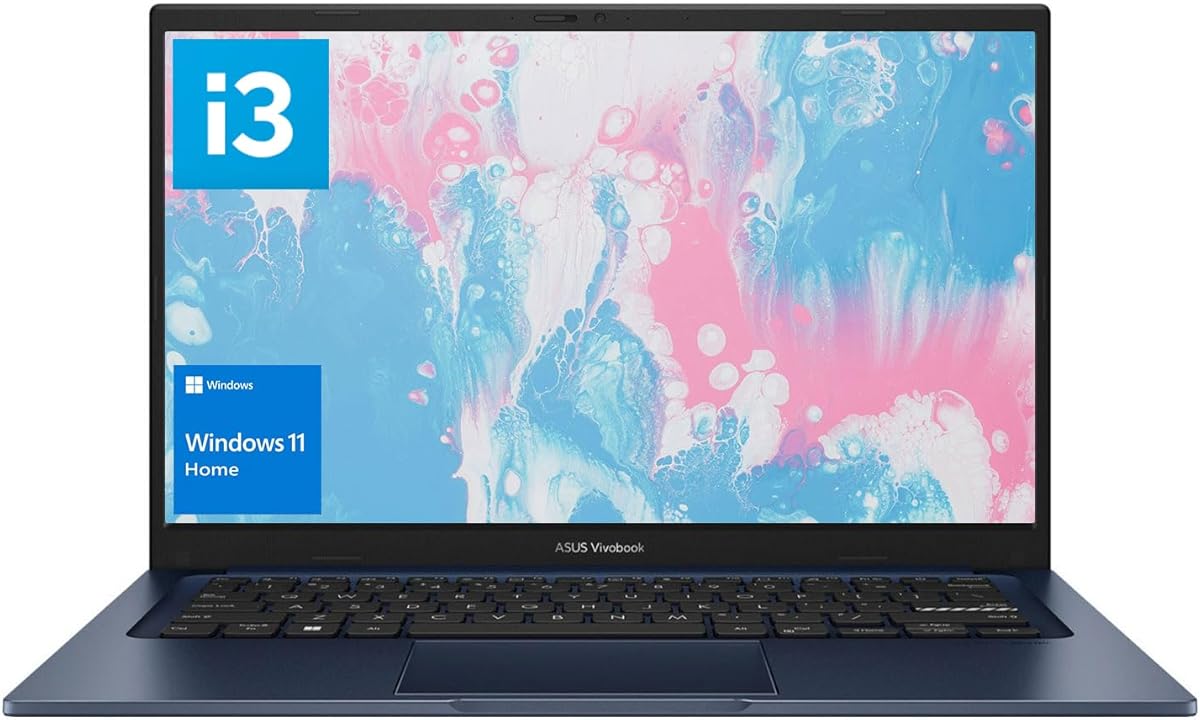
This model offers a straightforward configuration suitable for daily tasks. The 16GB RAM is generous for the price point ensuring smooth operation. The 512GB SSD provides enough space for essential files.
We may earn a commission when you buy through this link, at no additional cost to you.
The i3 processor handles web browsing and office suites adequately. It is lightweight and fits easily into student bags. Windows 11 Home provides a familiar interface for most users.
The processor is not designed for demanding graphics or video editing. Build quality is plastic which feels sturdy but less premium than metal options. These factors keep the cost competitive.
Ideal for students needing a reliable tool for writing and research. It avoids unnecessary cost while providing essential modern features.
16GB RAM ensures smooth performance without breaking the budget.
14 inch form factor is easy to carry and store.
We may earn a commission when you buy through this link, at no additional cost to you.
Selecting the right laptop depends on your specific academic requirements and budget constraints. Consider these factors to make an informed decision.
The processor determines how fast the laptop runs applications. For general coursework a Ryzen 3 or Intel Core i3 is sufficient. More demanding tasks like engineering software require a Ryzen 5 or Core i5.
Choose a processor that matches your workload intensity.
RAM affects multitasking ability. 8GB is the minimum for modern web browsing and basic apps. 16GB is recommended for running multiple heavy programs simultaneously.
Prioritize 16GB for better longevity and performance.
Solid State Drives are essential for fast boot and load times. Aim for at least 256GB for documents and media. 512GB or more provides flexibility for large file projects.
Ensure storage is sufficient for your media needs.
Screen clarity reduces eye strain during long study sessions. Look for Full HD or higher resolution. A 15.6 inch size offers better workspace than 13 inches.
Select a display that balances size and resolution.
Students often work away from power outlets. Look for batteries that last at least 8 hours. Fast charging support adds convenience for quick top-ups.
Choose a model with all-day battery life.
A laptop may face daily transport and rough handling. Military grade tested chassis provides better protection. Check hinge strength and keyboard quality for long term use.
Invest in durability to protect your investment.
Connectivity options determine how you attach peripherals. USB-C and HDMI ports are essential for modern accessories. Avoid models requiring dongles for common connections.
Ensure the laptop has necessary ports.
Windows 11 Home is standard for most users. Windows 11 Pro offers extra features for business use. Ensure the OS supports your required software.
Confirm OS compatibility with your curriculum.
Keep your laptop clean by wiping the screen and keyboard with a soft cloth. Avoid using harsh chemicals that could damage the display coating. Regular maintenance extends the lifespan of the device significantly.
Protect the battery by not leaving it plugged in constantly when fully charged. Allow it to discharge occasionally to maintain health. Use the fast charge feature sparingly to preserve longevity.
Secure your data with regular backups to cloud storage or external drives. Install necessary software updates promptly to ensure security. Organize files efficiently to maximize storage usage.
Engineering students require high processing power and memory. The model with the Intel Core i9 and 32GB RAM is ideal for simulations. The Ryzen 5 models also offer strong performance for standard coursework.
Many models feature military grade durability testing which ensures resilience. They can withstand minor drops and bumps common in daily transport. A protective sleeve is still recommended for added safety.
Most models include HDMI or USB-C ports for external display connection. This allows for expanded workspace during presentations or research. Check specific port availability on your chosen model.
16GB is recommended for heavy multitasking and future proofing. Students doing light web browsing can manage with 8GB. Consider your specific software needs before deciding.
Battery life varies by model but typically ranges from 8 to 12 hours. High performance units may have shorter battery life under heavy load. Look for fast charging if long usage is expected.
Some models allow SSD upgrades but others have soldered components. Check specifications for upgradeability before purchase. Using cloud storage is an alternative for limited local space.
All models include at least a one year manufacturer warranty. Some bundles offer extended coverage for RAM and SSD upgrades. Review warranty terms for specific coverage details.
We have highlighted ten models ranging from budget friendly to high performance options. Each device offers unique features tailored to different academic needs and preferences.
Prioritize memory and processor speed to ensure your machine remains useful throughout your studies. Battery life and portability are also crucial for students on the go.
Prices and availability may vary so check current listings before purchasing. Select the model that aligns best with your specific requirements.